
Tiny Kitchen Storage: 8 Space-Saving Ideas
Maximize tiny kitchen storage with shelf risers, cabinet-door organizers, under-sink zones, vertical dividers, magnetic storage, and slim rolling carts.
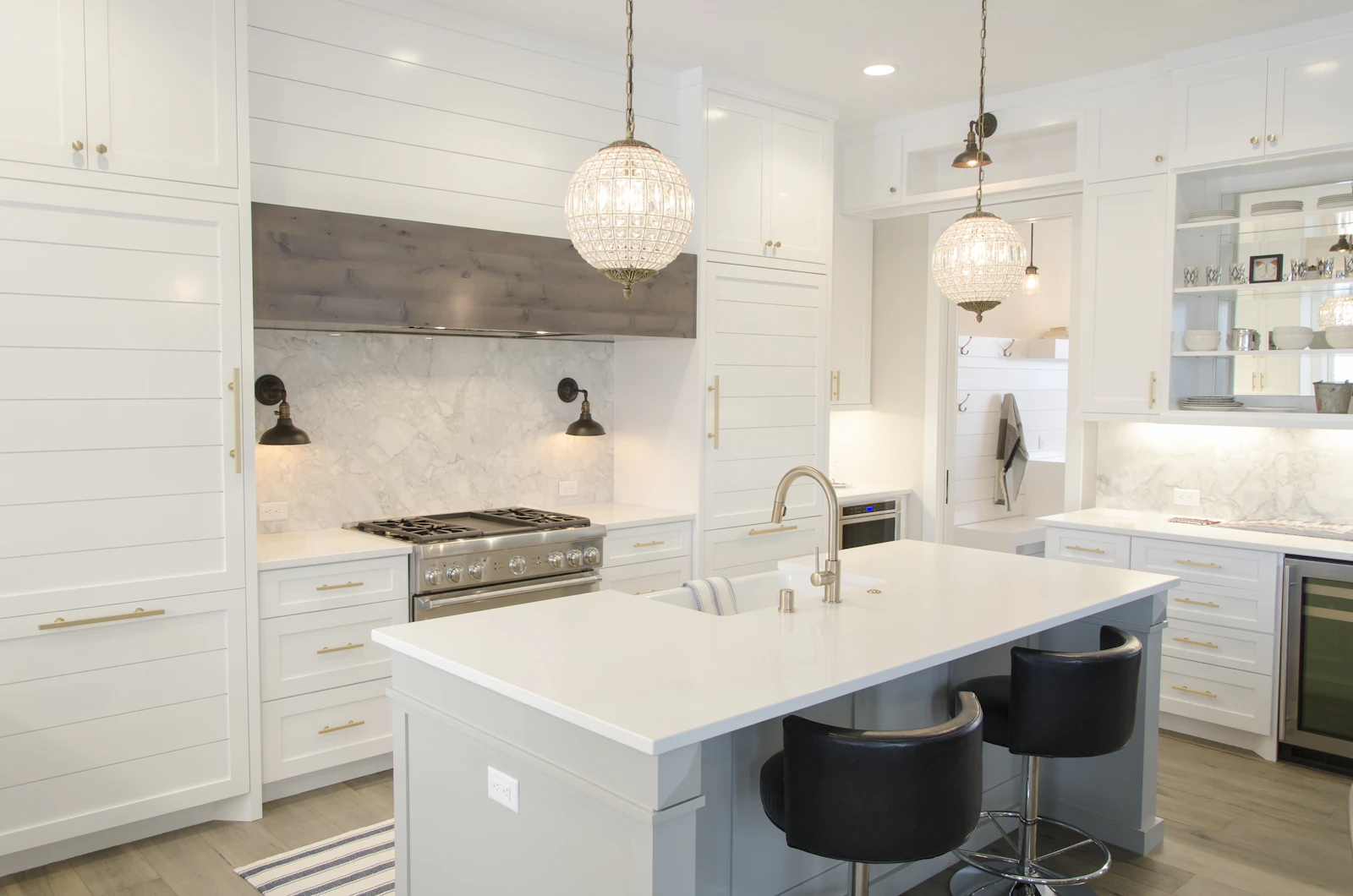
A tiny kitchen works best when the countertop is treated as workspace rather than storage. For a step-by-step surface reset, see our small kitchen counter organization guide. The goal is not to “fit more” everywhere; it is to keep frequently used tools close to the cooking zone while moving backups and low-frequency items out of the way.
Tiny Kitchen Storage: Measure the Kitchen Before Buying Organizers
Record cabinet width, shelf depth, shelf-to-shelf height, drawer depth, and the clear width of any gaps beside appliances. For a rolling cart, measure at the narrowest point and leave a little clearance so it does not scrape cabinetry.
1. Move Utensils Off the Counter
A rail or properly installed hook system can hold ladles, spatulas, and oven mitts near the prep zone. Keep the arrangement shallow so it does not interfere with cooking or become a grease trap. If you cannot drill, the renter-friendly organization guide covers reversible mounting and freestanding alternatives.
2. Use Shelf Risers Where Vertical Space Is Wasted
Risers are useful for mugs, plates, bowls, and small pantry goods when a shelf has 10–20 cm of unused air above a short stack. Measure the opening before purchase so the riser does not block the cabinet door.
3. Use Cabinet Doors for Lightweight Items
Inside-door racks can hold measuring spoons, wraps, or light spice packets. Check that the organizer clears the shelves when the door closes and avoid loading hinges with excessive weight.
4. Replace the Countertop Knife Block Carefully
A magnetic knife strip can free counter space, but it must be mounted securely and positioned where children cannot reach it. If drilling is not appropriate, an in-drawer knife organizer is a safer alternative.
5. Build Around Plumbing Under the Sink
Instead of one large bin, use two or three narrow containers that fit around pipes. Keep leak-sensitive paper goods elsewhere. Cleaning chemicals should stay in their original containers and be stored according to their labels, especially in homes with children or pets. The same modular approach works well in small bathroom storage, where plumbing also creates awkward cabinet space.
6. Decant Only When It Improves Visibility
Clear containers can make dry goods easier to see, but decanting everything creates extra work. Use it for high-volume staples such as rice, pasta, flour, or cereal, and label the contents and date when useful. Keep cooking instructions or allergen information if you discard packaging.
If food storage is the main problem, use our step-by-step guide to organize a small kitchen with no pantry and build one visible food zone.
7. Use Slim Rolling Storage for True Dead Space
A narrow cart can work well beside a refrigerator or cabinet, but measure ventilation clearances required by the appliance first. Avoid blocking vents or making the refrigerator harder to pull out for maintenance.
8. Store Pans and Lids Vertically
Vertical dividers prevent the “lift five pans to reach one lid” problem. This is especially useful in base cabinets where stacks become deep and difficult to access.
Which Solution Fits Which Problem?
| Problem | Best first move | Check first |
|---|---|---|
| Crowded counter | Rail, drawer organizer, or wall storage | Mounting and reach |
| Wasted cabinet height | Shelf riser | Opening height |
| Messy pans/lids | Vertical dividers | Cabinet depth |
| Narrow unused gap | Rolling cart | Appliance ventilation |
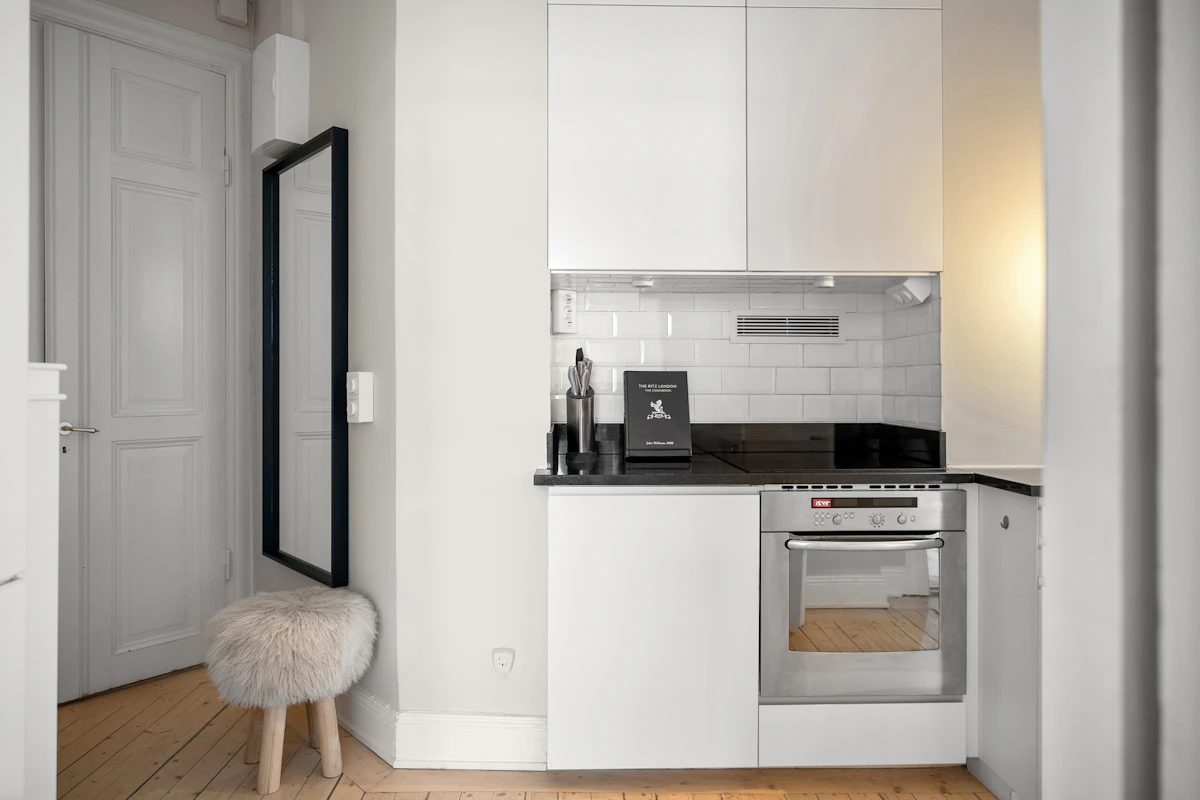
Organize a Tiny Kitchen by Work Zone
Instead of arranging the kitchen only by product category, organize it around the jobs you actually do. Keep chopping tools near the prep surface, pans near the hob, everyday dishes close to the dishwasher or drying area, and breakfast items together if they are used every morning. This reduces unnecessary movement and makes a small kitchen feel more efficient even when the cabinet count does not change.
| Zone | Keep nearby | Move elsewhere |
|---|---|---|
| Prep | Knives, boards, mixing bowls | Appliances used only occasionally |
| Cooking | Pans, oils, utensils | Bulk pantry backups |
| Clean-up | Dish soap, cloths, bin liners | Paper goods vulnerable to leaks |
| Breakfast | Coffee/tea, mugs, cereal | Special-occasion serveware |
Use the “One-Hand Test” for Daily Storage
If you use something every day, you should ideally be able to reach it with one hand without moving several other objects first. Daily mugs hidden behind rarely used glassware, or a frying pan buried under five pots, create friction that quickly leads to messy counters. Reorder shelves by frequency before buying more organizers.
Common Small-Kitchen Storage Mistakes
- Filling every vertical gap: leave enough clearance to lift plates, remove appliances, and clean shelves.
- Keeping duplicate tools: several similar spatulas or rarely used gadgets can consume more space than a new organizer will recover.
- Using deep bins for daily items: deep containers hide what is behind the first row and encourage overbuying.
- Ignoring appliance ventilation: do not use narrow gaps if the manufacturer requires clearance around a refrigerator or other appliance.
- Decanting for appearance only: transfer food only when it improves visibility, freshness, or access.
Strongest Takeaway
Do not try to organize the whole kitchen at once. Start with the single zone that slows you down most—prep surface, pans, pantry, or under-sink storage—and solve that first. For broader apartment storage ideas, see our small-apartment storage guide. Once the layout is working, the 15-minute daily reset can help keep the prep surface from filling up again.
Image source: Unsplash, used under the Unsplash License.