
Small Bathroom Organization: 7 Space-Saving Storage Ideas
Improve small bathroom organization with over-toilet storage, clear vanity zones, shower caddies, under-sink bins, towel storage, and moisture-aware solutions.
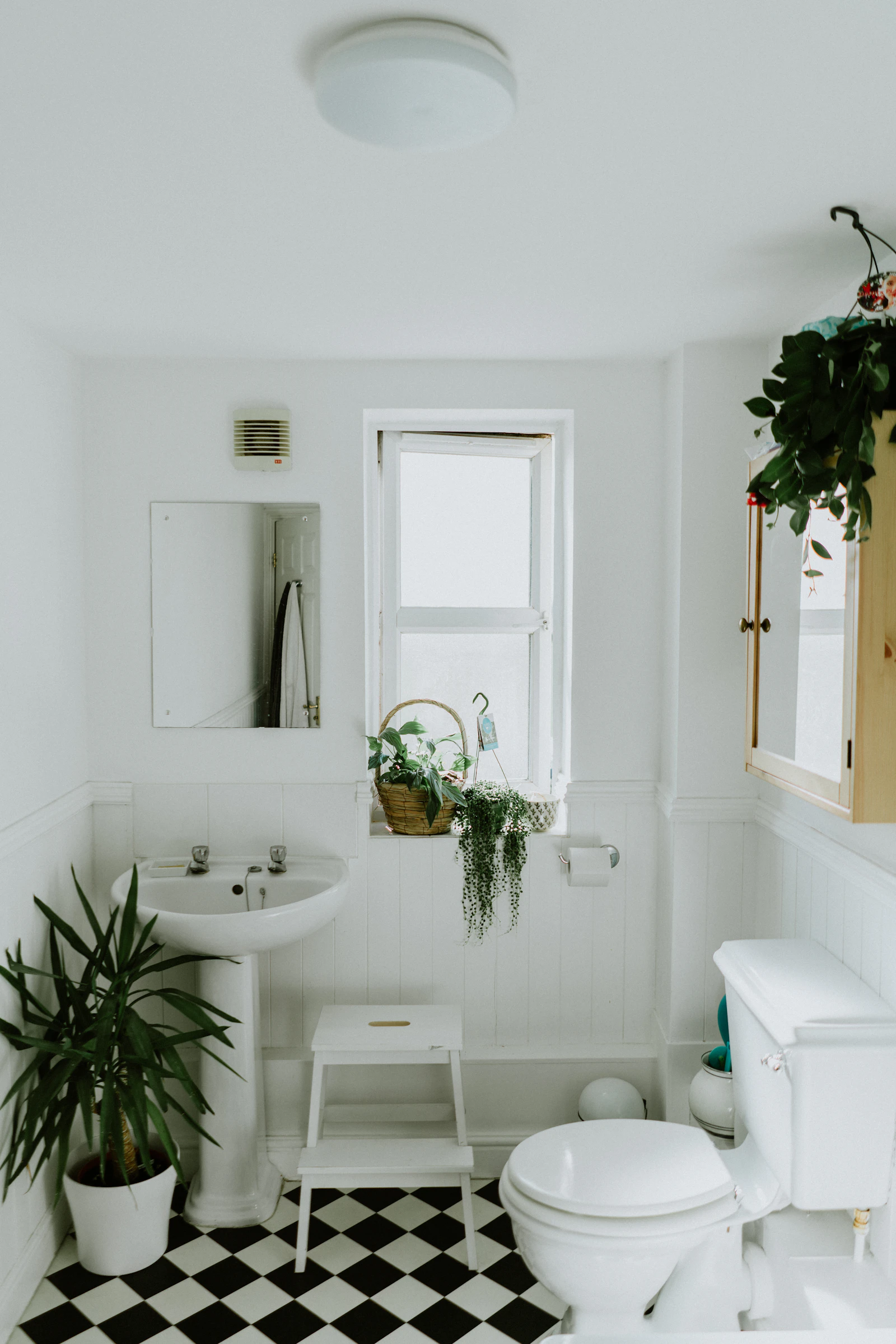
Small bathrooms feel cluttered quickly because toiletries, towels, cleaning products, and grooming tools all compete for a few shallow surfaces. The most effective fix is to divide the room into four zones: daily-use counter items, shower products, under-sink backups, and vertical storage.
Small Bathroom Organization: Measure Before You Add Storage
For an over-toilet unit, measure the toilet width, tank height, wall width, and the distance to any cabinet door or window. For under-sink organizers, measure around the plumbing rather than assuming a rectangular box will fit. In the shower, check the width of ledges and the surface type before using adhesive storage.
1. Use the Wall Above the Toilet Carefully
A shallow shelf or freestanding over-toilet unit can hold spare toilet paper, folded hand towels, and lightweight baskets. Keep frequently handled items on the lower shelf and avoid placing fragile or heavy objects directly above the toilet. For more examples of using height without sacrificing floor area, see our small-apartment storage guide.
2. Keep Only Daily Essentials on the Vanity
Instead of displaying every product, limit the counter to the items you use every morning and night. A small tray or divided organizer can contain toothbrushes, skincare, and hand soap while making the counter easier to wipe. This also makes the bathroom step in the daily 15-minute cleaning routine much faster.
3. Use Shower Caddies That Suit the Surface
Adhesive shower caddies can work well on smooth, clean surfaces when installed exactly as the manufacturer directs. For textured tile or surfaces that do not bond reliably, choose a tension-pole or over-showerhead caddy instead.
4. Choose Hooks or Bars Based on Drying Space
Hooks use less wall width than towel bars, but a towel dries fastest when it can spread out and receive airflow. In a humid bathroom, use enough hooks that towels are not bunched together, or keep a bar for bath towels and reserve hooks for robes and hand towels.
5. Work Around Pipes Under the Sink
Two narrow bins often fit better than one large organizer. Use one for daily backups and one for cleaning supplies. Keep electrical grooming tools away from possible leaks, and do not store products in a way that blocks shut-off valves or plumbing access.
6. Use the Medicine Cabinet Door for Small, Light Items
Mini containers or magnetic holders can work for tweezers, nail tools, or small grooming accessories if the cabinet material supports them. Avoid adding so much weight that the door no longer closes cleanly.
7. Store Towels According to Quantity, Not Aesthetics
Rolled towels can look neat in a basket, but they do not automatically save space. If you own many towels, vertical shelf stacks often use the available volume more efficiently. Use rolling when the basket shape makes it practical or when you want individual towels easy to grab.
Moisture Matters More Than Looks
Bathrooms need ventilation. The U.S. Environmental Protection Agency recommends controlling moisture to help prevent mold growth. If the room stays damp after showers, storage should not block vents or trap wet textiles in closed containers. See the EPA’s guidance on mold and moisture control.
Simple Decision Guide
- No floor space: use wall, door, or over-toilet storage.
- Awkward plumbing: use small modular bins rather than one large drawer unit.
- Rental: prefer over-door, tension, suction, or manufacturer-approved removable systems.
- Humid room: prioritize airflow and washable materials.
Separate Daily Products From Backups
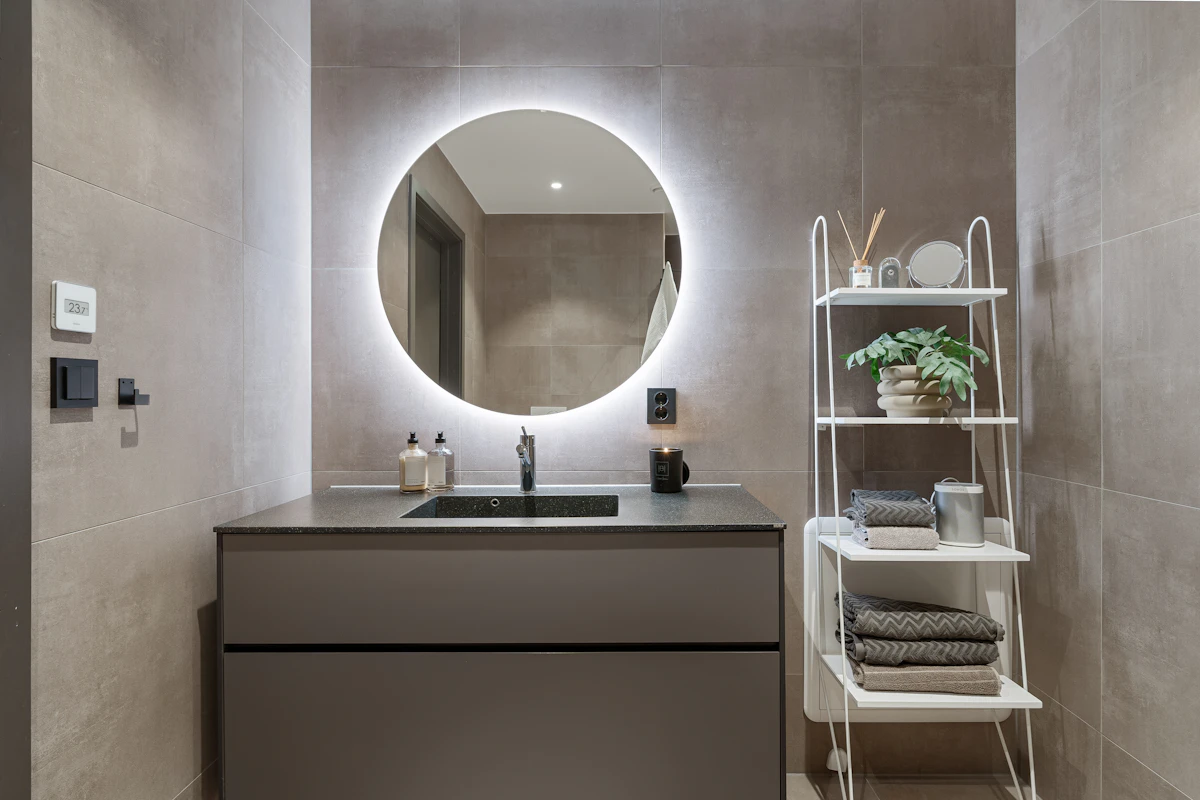
A small bathroom becomes much easier to maintain when you separate the products used every day from unopened backups. Keep the daily group in one shallow drawer, tray, or cabinet zone. Move extra toothpaste, soap, toilet paper, and unopened skincare higher or farther back. This prevents the counter from becoming overflow storage.
Choose Containers That Can Be Cleaned Easily
Bathrooms collect dust, hair, water spots, and product residue. Smooth plastic, metal, or washable fabric is usually easier to maintain than deep woven baskets used next to the sink or shower. Open baskets can work for dry towels, but small grooming products are easier to wipe around when stored in a removable tray.
| Storage zone | Best contents | Main risk |
|---|---|---|
| Vanity top | Daily-use essentials only | Visual clutter and difficult wiping |
| Under sink | Backups, cleaning products | Leaks and blocked plumbing access |
| Shower | Products used while bathing | Moisture buildup and weak mounting |
| Upper shelf | Spare towels, toilet paper | Heavy or fragile objects overhead |
Small-Bathroom Mistakes That Create More Clutter
- Buying several tiny countertop organizers instead of using one contained daily-use zone.
- Storing too many half-used products because there is no regular decluttering point.
- Putting heavy bottles on adhesive shower shelves without checking the rated load and surface.
- Using deep under-sink drawers that block the trap, valves, or leak inspection.
- Filling every shelf with decor when the room still lacks a practical home for towels or toiletries.
If wall space is your main opportunity and drilling is restricted, the newer renter-friendly wall storage guide compares no-drill options by load, surface, and room.
Strongest Takeaway
The best small-bathroom system keeps the counter mostly clear, keeps wet items ventilated, and puts backups out of sight. If you rent, pair these ideas with our damage-free organization guide. For whole-home storage planning, see smart storage for small apartments.
Image source: Unsplash, used under the Unsplash License.