
Small Bedroom Without a Closet: 7 Practical Ideas
Organize a small bedroom without a closet using a garment rack, under-bed bins, compact drawers, door storage, shoe zones, and vertical space.
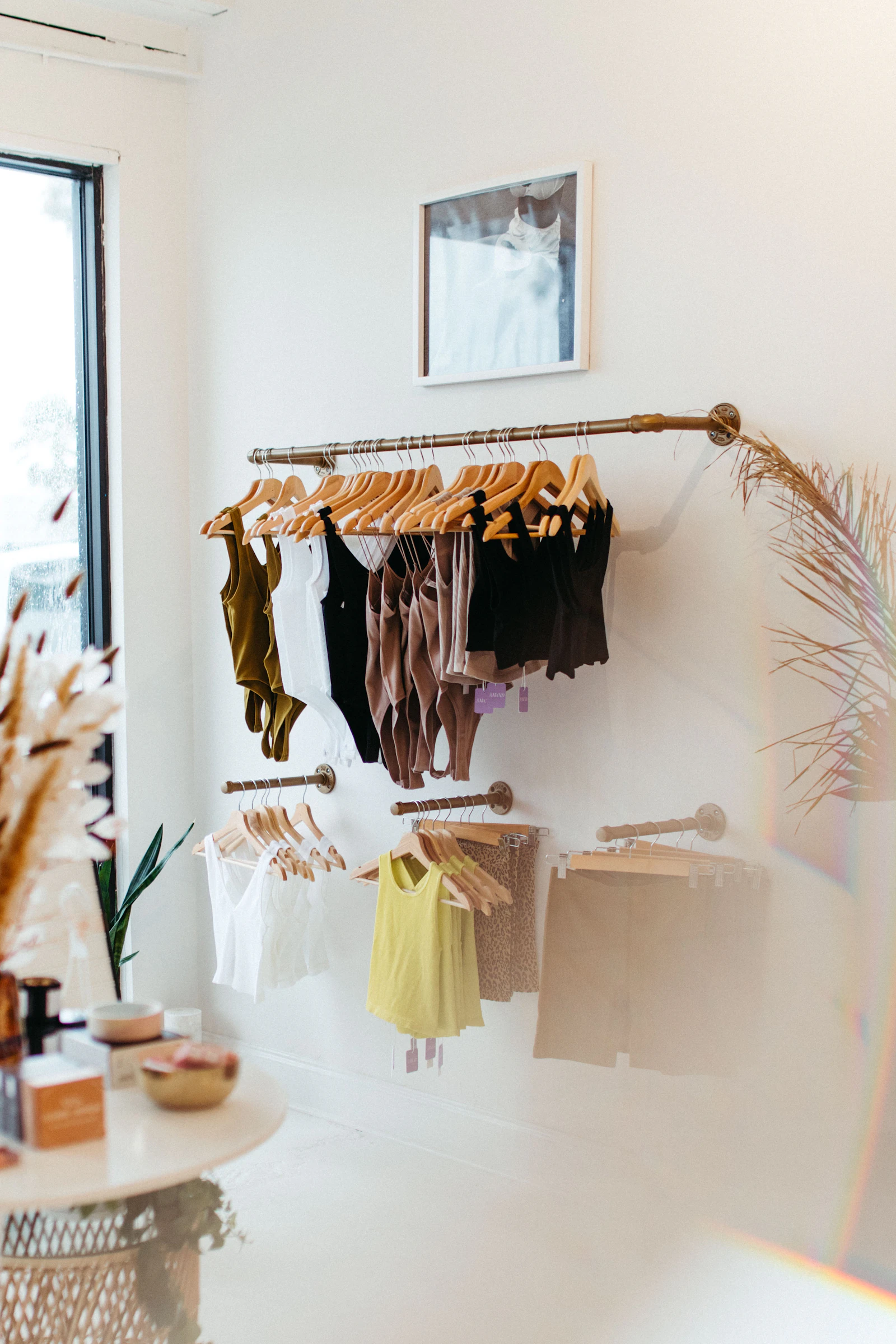
A bedroom without a built-in closet can still work extremely well if you stop trying to recreate one giant wardrobe and instead divide storage by function. The most useful approach is to give hanging clothes, folded clothes, shoes, seasonal items, and daily accessories their own zones.
Small Bedroom Without a Closet: Measure First: the 5 Numbers That Matter
Before buying a rack, dresser, or bins, write down five measurements: available wall width, maximum furniture depth, bed clearance, door swing, and the width of your main walking path. In many compact bedrooms, a useful target is to preserve roughly 75–90 cm (30–36 in) for a comfortable main passage where possible. If your room is tighter, prioritize the path between the bed and the door.
For under-bed storage, measure from the floor to the lowest point of the bed frame and subtract about 2–3 cm so containers slide in without scraping. For a garment rack, measure the actual depth of your hangers; many adult hangers need roughly 45–50 cm (18–20 in) of depth once clothing is added.
1. Use a Freestanding Garment Rack for the Clothes You Actually Wear
A freestanding rack is the closest substitute for a closet rod, but it works best when it holds only your current-season wardrobe. Choose a rack about 80–120 cm wide for a small room rather than filling an entire wall. Models with a lower shoe shelf or upper shelf make better use of the same footprint.
Decision rule: choose a garment rack if you own many wrinkle-prone items. Choose a dresser instead if most of your wardrobe is T-shirts, knitwear, jeans, or sportswear.
2. Turn the Space Under the Bed Into a Seasonal Zone
Under-bed storage is ideal for bedding, off-season clothes, spare towels, and shoes that are not needed every day. Low containers with lids reduce dust; wheeled bins are easier to use on hard floors; fabric zip bags are better for soft items when clearance is very limited.
Example: a queen bed has a footprint of roughly 1.5 × 2 m. You cannot use all of that volume because of frame supports, but even two 70 × 40 cm bins can absorb a surprising amount of seasonal clothing without using additional floor space.
3. Choose a Tall, Narrow Dresser Rather Than a Wide One
When floor area is limited, vertical furniture generally gives you more storage per square metre. A dresser around 40–50 cm deep and 60–80 cm wide can be easier to place than a long low chest. Check the manufacturer’s anti-tip instructions and anchor tall furniture where required.
Inside drawers, use simple categories: underwear and socks; T-shirts; trousers; activewear; accessories. Vertical filing-style folding can make each item visible without lifting a whole stack.
4. Use the Back of the Door for Light, Frequently Used Items
An over-door organizer can hold shoes, scarves, hats, charging cables, or small accessories without consuming floor area. Check that the bracket thickness does not prevent the door from closing and avoid loading a lightweight interior door with excessive weight.
5. Use Wall Space, but Keep the Visual Weight High and Light
Floating shelves and hooks are most useful above a dresser, desk, or other zone where they do not reduce the walkway. Use higher shelves for items you reach weekly or seasonally, not daily. Renters should check lease rules and use fixings appropriate to the wall construction.
For more reversible ideas, see our guide to damage-free renter-friendly organization.
6. Create One Shoe Zone
Scattered shoes make a small bedroom feel cluttered immediately. Pick one solution based on your collection:
- 6–10 everyday pairs: a low two-tier rack under the garment rail.
- Many lightweight shoes: an over-door organizer.
- Seasonal shoes: labeled boxes under the bed.
Keep only the pairs you actually wear this season in the room. This is more effective than buying a larger organizer for shoes you rarely use.
7. Arrange Storage by Frequency of Use
Place daily items between roughly waist and shoulder height. Less-used items can go above eye level or under the bed. Heavy items should remain low. The easier it is to put something away, the more likely the system is to stay tidy after the first week.
Quick Decision Guide
| Solution | Best for | Measure before buying |
|---|---|---|
| Garment rack | Hanging clothes | Wall width + 45–50 cm clothing depth |
| Under-bed bins | Seasonal items | Clear height under frame |
| Tall dresser | Folded clothes | Depth + drawer-opening clearance |
| Over-door organizer | Shoes and accessories | Door thickness + closing clearance |
Build the Room Around Three Storage Zones
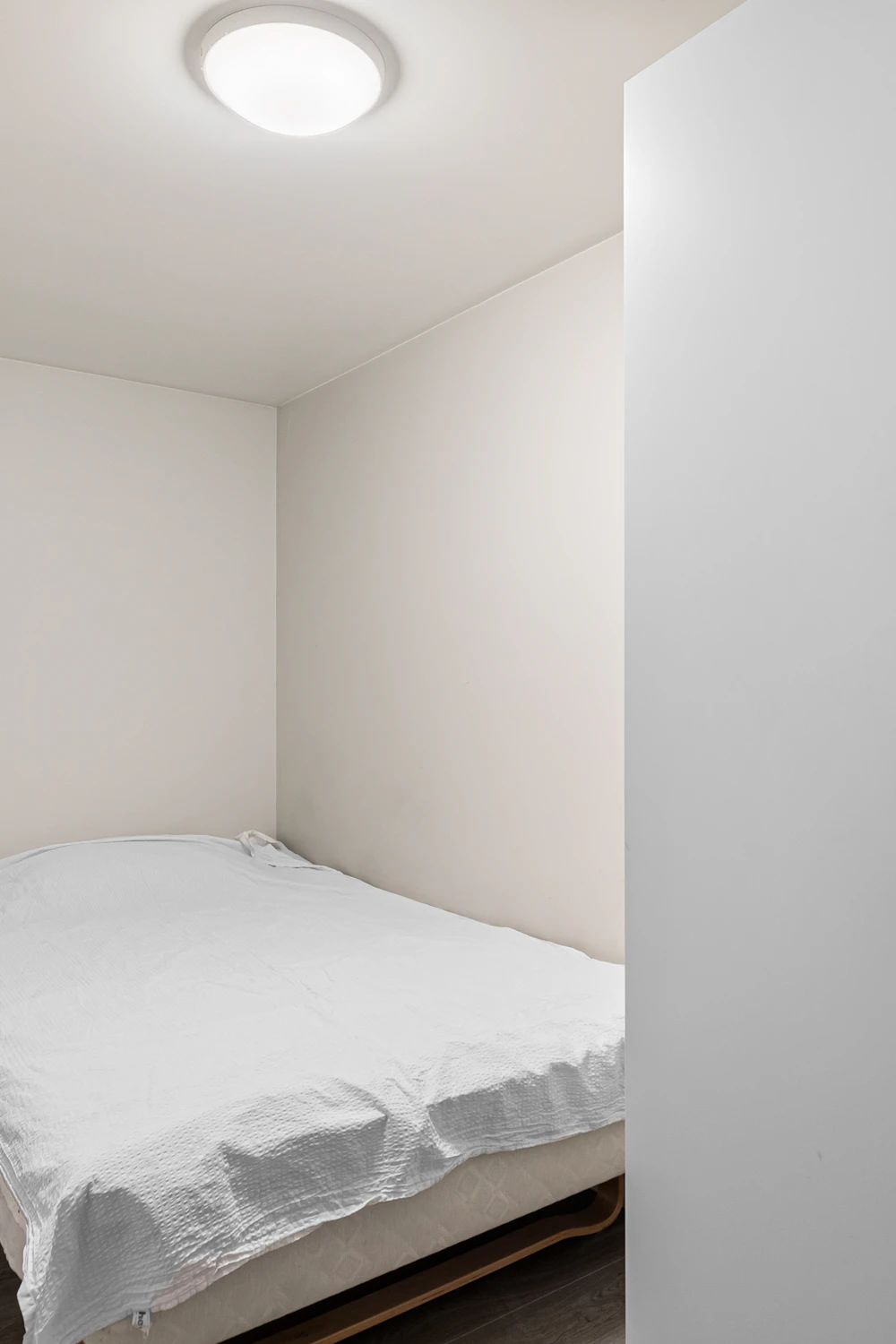
A practical no-closet bedroom usually needs three distinct zones rather than one oversized wardrobe substitute. Keep hanging storage on one wall, folded storage in drawers or bins, and low-frequency storage under the bed or on the highest shelf. This separation makes the room easier to reset because every type of clothing has an obvious destination.
If your bed already provides useful clearance, use it for the categories you reach least often. Our under-bed storage guide compares bins, drawers, fabric bags, and vacuum storage by actual bed height.
Small Bedroom Layout Examples
| Room constraint | Best storage combination | Why it works |
|---|---|---|
| Very little floor space | Narrow garment rack + under-bed bins + over-door organizer | Uses height and hidden floor area |
| Mostly folded clothes | Tall dresser + small rail for jackets/shirts | Avoids dedicating a whole wall to hanging space |
| Rental with drilling limits | Freestanding rack + dresser + over-door storage | Keeps the system reversible |
| Many seasonal clothes | Current-season rail + labeled under-bed/upper storage | Keeps the visible zone from becoming overloaded |
Common Mistakes in a Bedroom Without a Closet
- Buying a huge open rack: it often becomes visual clutter and can make the room feel more crowded than a smaller, edited wardrobe.
- Using every wall: storage on all four sides can make the room feel like a stockroom. Leave at least one visual area relatively calm.
- Ignoring drawer-opening space: a dresser that fits the wall can still fail if the drawers collide with the bed.
- Keeping every season visible: rotate coats, knitwear, and occasional shoes instead of forcing them into the daily zone.
- Adding organizers before decluttering: storage works better when it supports the wardrobe you actually wear.
What to Do First
If you only make three changes, start with: one controlled hanging zone, one concealed under-bed zone, and one closed drawer unit. That combination handles most wardrobes without turning the bedroom into a storage room.
If you already have a small built-in closet and want to optimize it instead, read how to increase usable closet capacity. For broader ideas throughout the home, see 10 smart storage solutions for small apartments.
Image source: Unsplash, used under the Unsplash License.