
How to Organize a Small Bedroom With Too Much Stuff: 12 Steps
A practical 12-step plan to declutter and organize a small bedroom with too much stuff, clear walking space, prioritize daily-use items, and create storage that stays manageable.
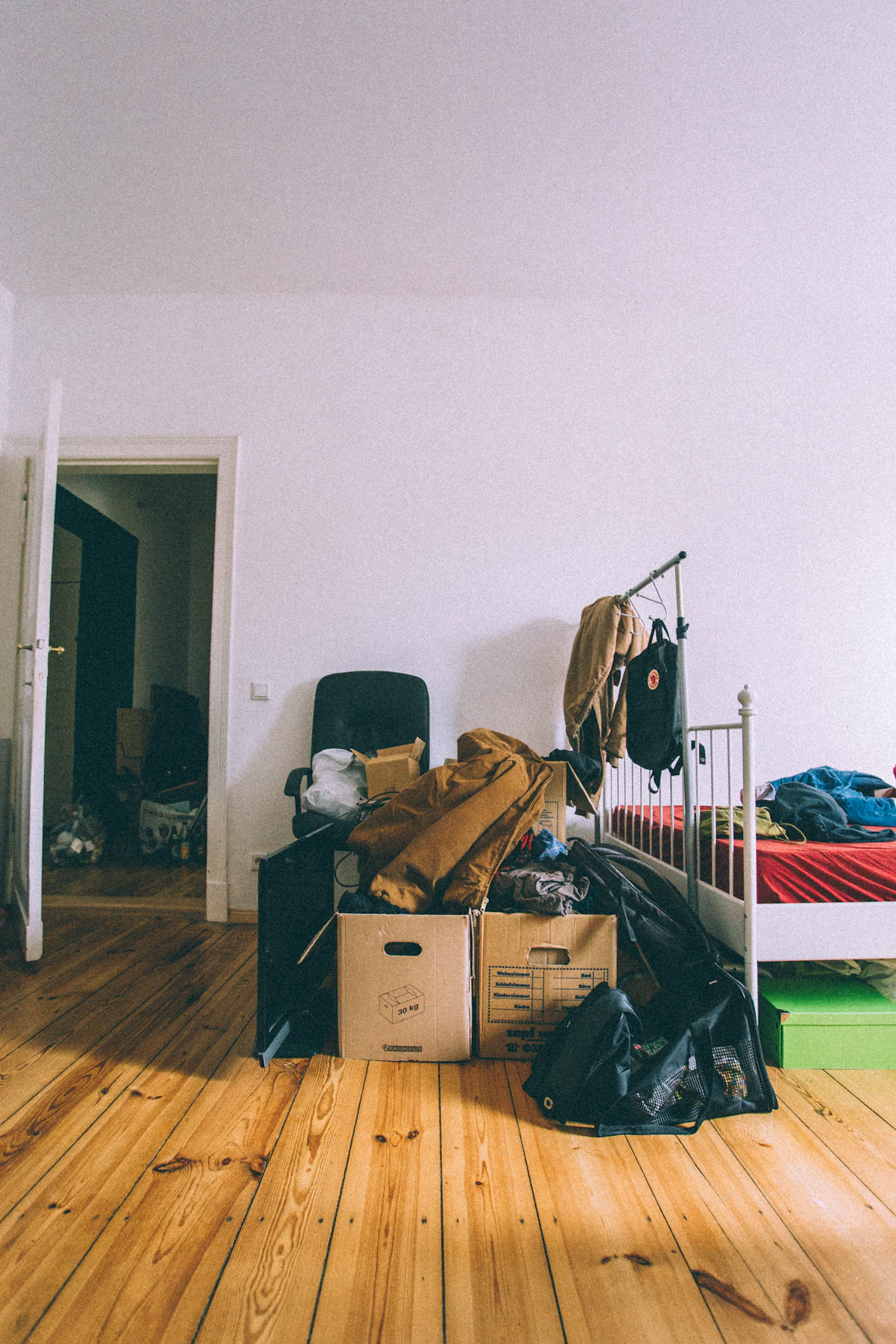
To organize a small bedroom with too much stuff, stop buying organizers and reduce the active volume first. Work in one small zone, separating trash, laundry, donations, items that belong elsewhere and bedroom items. Clear the bed, floor and walking path before detailed sorting. Then group what remains by category, decide what deserves daily-access space, and assign each category a physical limit. Storage comes after those decisions, not before them.
A small bedroom can have two different problems: belongings with no assigned home, or more belongings than the room can hold safely and conveniently. The first needs better categories and placement. The second needs removal, rotation or storage outside the room. This process helps you identify which problem you actually have.
Is This a Storage Problem or an Excess-Volume Problem?
You probably have a storage problem when the room has enough usable capacity, but categories are mixed, prime shelves hold rarely used items, or clothes and chargers have no reliable return point. Reassigning space can solve this without adding furniture.
You probably have an excess-volume problem when every shelf and container is full, the walking path disappears after ordinary use, or one new item forces another onto the floor. No organizer creates additional room volume. Some belongings must leave the bedroom, rotate seasonally or leave the home.
Use one practical test: after trash, laundry and out-of-room items are removed, can the remaining bedroom belongings fit in safe storage while the bed, doors, drawers and main path still work? If not, reduce the amount before shopping.
How to Organize a Small Bedroom With Too Much Stuff, Step by Step
1. Decide What the Bedroom Must Support
List the room’s required functions: sleep, dressing, clothing storage, work, reading or shared use. Keep the list honest. A small bedroom may not be able to serve as a full office, gym, archive and dressing room at the same time.
Protect the functions that cannot move elsewhere. The bed must be usable, clothing must be reachable, the door must open, and the main walking path should remain clear. The NFPA’s home escape planning guidance is another reason not to treat a required exit route as overflow storage.
2. Choose One Manageable Zone
Do not empty the entire closet and every drawer onto the bed. That creates a larger unfinished project and removes the room’s main usable surface. Start with one nightstand, one chair, the foot of the bed or a small floor area.
Finish the zone before expanding. A completed square gives you a sorting surface and prevents half-sorted belongings from spreading into the hall.
3. Use Five Exit Categories
Sort the zone into trash or recycling, laundry, donations, items that belong elsewhere and bedroom items. These are exits, not new storage categories. Take trash out, start or contain the laundry, move donations near the front door, and return out-of-room items after the sorting session.
Do not let the donation box become permanent bedroom furniture. Give it a pickup or drop-off date.
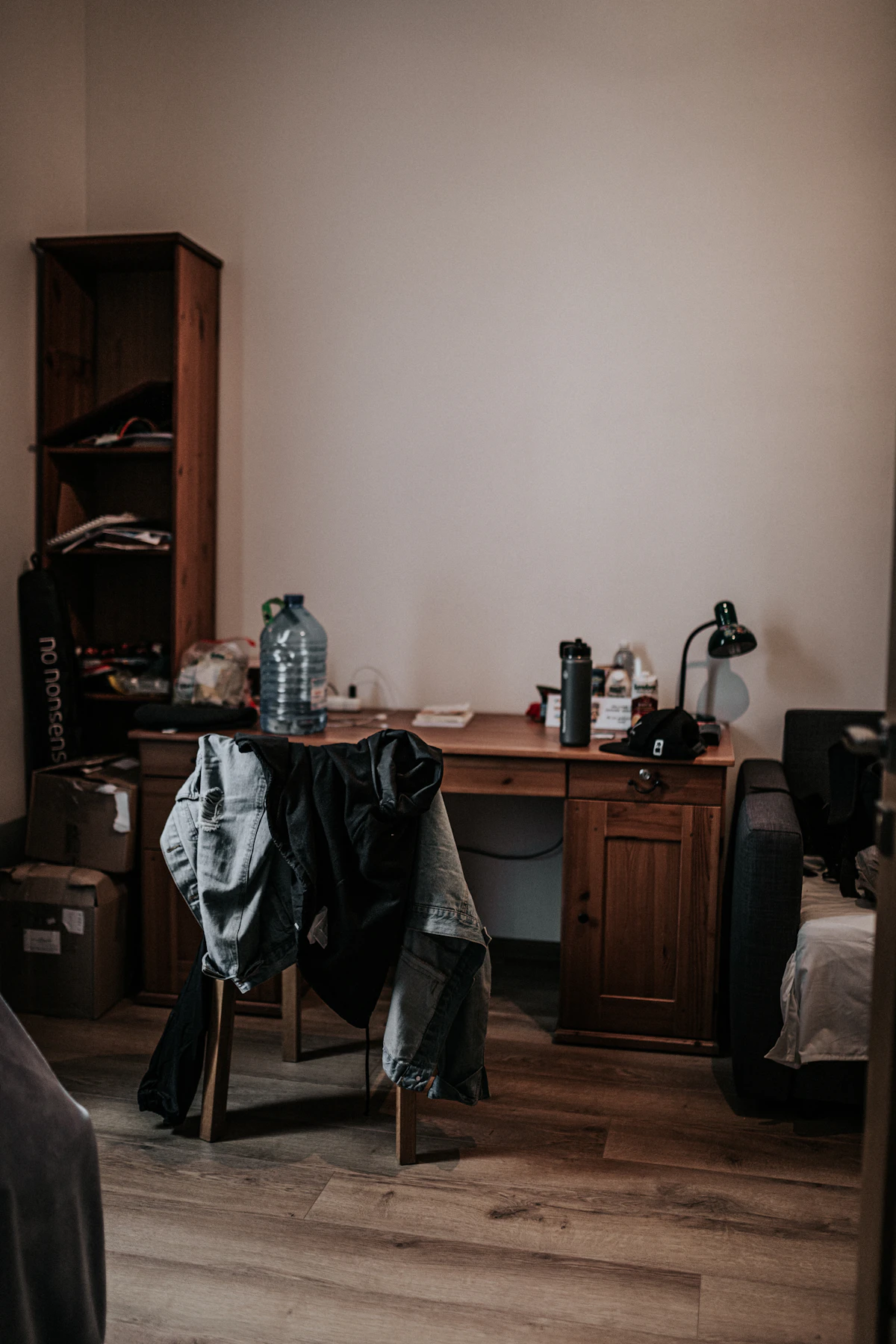
4. Clear the Bed, Floor and Walking Path First
Recover the bed so the room can still support sleep. Then clear the route from the door to the bed and any closet or window that must be reached. Move objects to their sorting categories rather than stacking them along the wall.
The goal is a functional baseline, not a finished reveal. Once the main surfaces work, later category decisions become easier and safer.
5. Group the Remaining Bedroom Items by Category
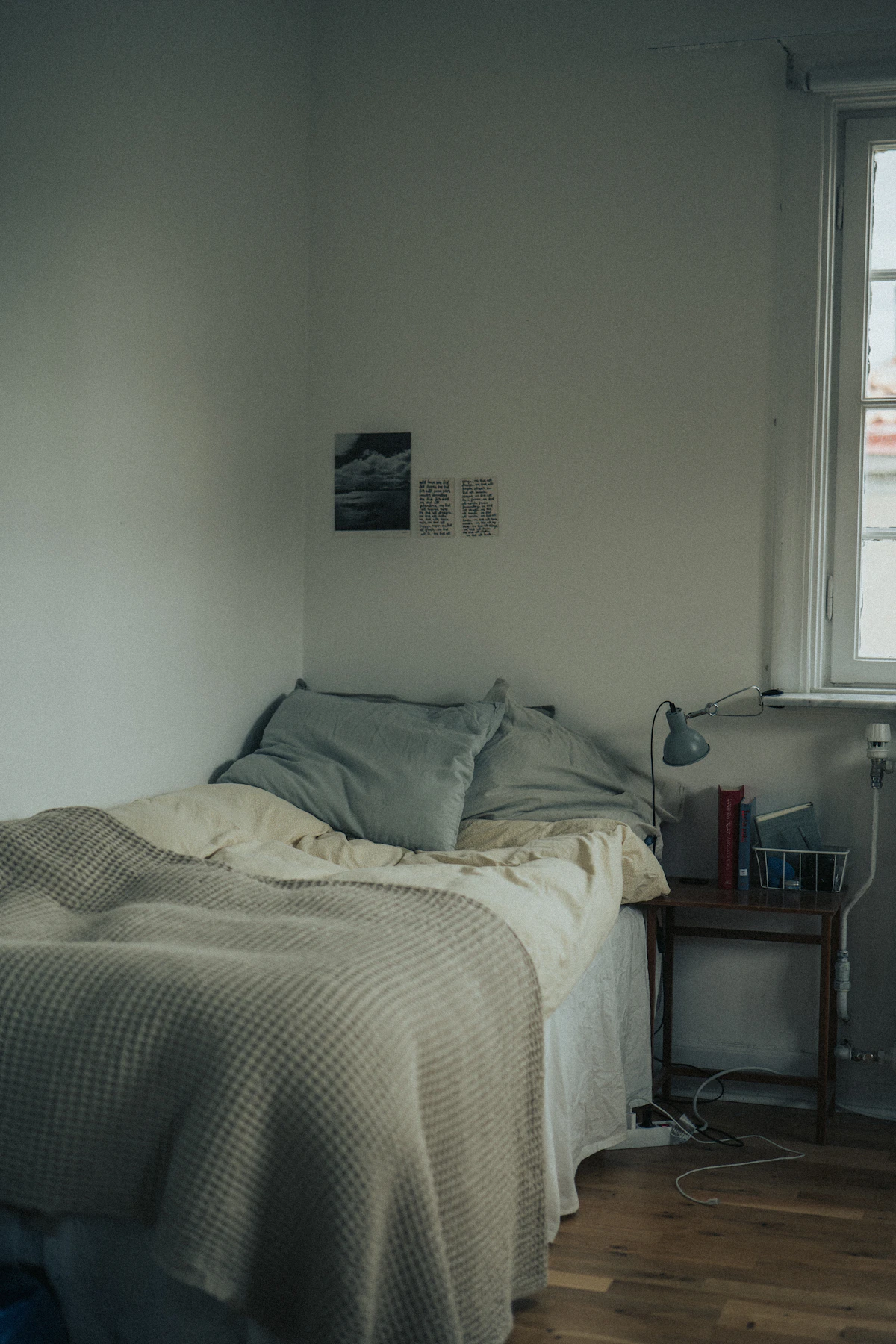
Bring like items together: clothing, shoes, linens, papers, electronics, personal care and sentimental belongings. Categories show duplication and scale. Ten charging cables distributed around the room look like several small problems; together, they become one decision.
Keep categories specific enough to act on. “Clothes” is too broad; daily underwear, work clothing, sleepwear and off-season sweaters have different access needs.
6. Decide What Deserves Daily-Access Storage
Prime storage is the space you can reach in one motion without moving another container. Give it to items used daily or several times a week. Put occasional items higher, deeper or outside the bedroom.
Do not place sentimental boxes or spare packaging in the nightstand while daily medication, sleep accessories or chargers sit on the floor. Access frequency should determine location.
7. Set a Physical Capacity Limit for Every Category
Choose a container, shelf section or number of hangers as the boundary. The limit should leave enough room to remove and return items without compressing them. When the category no longer fits, edit it or move seasonal pieces out; do not automatically add a second container.
Reduce duplicate storage categories. One cable bin is easier to review than cables split among a desk drawer, nightstand, bag and windowsill.
Small-Bedroom Category Triage Table
| Category | Keep in prime daily space | Use secondary storage for | Move out of bedroom | Capacity rule |
|---|---|---|---|---|
| Clothing | Current-season daily clothes | Occasional and off-season pieces | Donations, repairs with a deadline, other household members’ clothes | Must fit assigned hangers, bins and drawers without compression |
| Shoes | Current regular pairs | Special-event or seasonal pairs | Outdoor, work or sports pairs stored better elsewhere | One defined row, rack or bin |
| Linens | Current bedding and one practical spare set | Seasonal blanket | Household overflow better stored centrally | Fit one labeled shelf or covered bin |
| Papers | Only active papers needing action | Small reference file | Household records, recycling and packaging | One inbox with a weekly review |
| Electronics | Devices and chargers used in the room | Backup cable pouch | Broken devices, empty boxes and unrelated equipment | One charging point and one backup pouch |
| Personal care | Daily bedside or dressing items | Small backstock | Products used in the bathroom or elsewhere | One tray or bin per routine |
| Sentimental items | One or two display pieces | Labeled archival box | Family collections that have a safer shared location | A fixed box or shelf, not unlimited floor space |
Assign a Home to Every Remaining Category
Clothing: Separate Clean, Laundry and “Wear Again”
Clean clothing goes in the closet, drawers or dresser alternative. Dirty clothing goes in a hamper. Create one small unfinished-clothing zone—a hook, short rail or open basket—for clothes that are not clean enough to put away but not ready for laundry.
Keep this zone deliberately small and empty it on laundry day. If folded clothing is the main bottleneck, use the detailed guide to store clothes in a small bedroom without a dresser. If there is no closet, the no-closet bedroom guide covers the complete system.
Shoes and Linens: Keep Only the Active Set Close
Store current shoes in one shallow row or rack instead of scattering pairs under furniture. Put special-event and off-season shoes in secondary storage only after they are clean and dry.
Keep the current bedding and a realistic spare set accessible. Bulky seasonal blankets can move to covered storage, but avoid known damp areas and address any moisture source before storing textiles.
Papers and Packaging: Create an Exit Schedule
Use one small inbox for papers that require action and review it weekly. Recycle shipping boxes and packaging after return windows and warranty needs are resolved; do not store empty product boxes indefinitely because they “might be useful.”
Important household records usually belong in a central document system, not mixed with bedside reading and receipts.
Electronics: Build One Charging Point
Choose one outlet or power area that can safely support the devices used in the bedroom. Label similar cables, contain slack, and keep only current chargers within reach. Follow the device, cord and power-strip instructions; do not run cords where they create a trip point or are pinched by furniture.
Sentimental Belongings: Move Them Out of Prime Storage
Display a small number and put the rest in one labeled, stable box outside daily-access zones. Sentimental items do not need an immediate keep-or-discard decision to stop occupying the nightstand, dresser top and under-bed pullout at the same time.
A fixed container creates a review boundary without turning the bedroom into an archive.
Use the Closet, Bed and Door Without Rewriting the Whole Room
Improve the existing closet only enough to support the new category plan; the guide to make better use of a small closet covers rails, hangers and shelf zones. Use under-bed space for measured, secondary storage rather than daily overflow; see the under-bed storage guide for container and clearance choices.
The back of the door can hold one light category when the door remains fully functional. The separate guide to over-the-door storage for small bedrooms explains door compatibility and load decisions.
What Not to Buy Yet
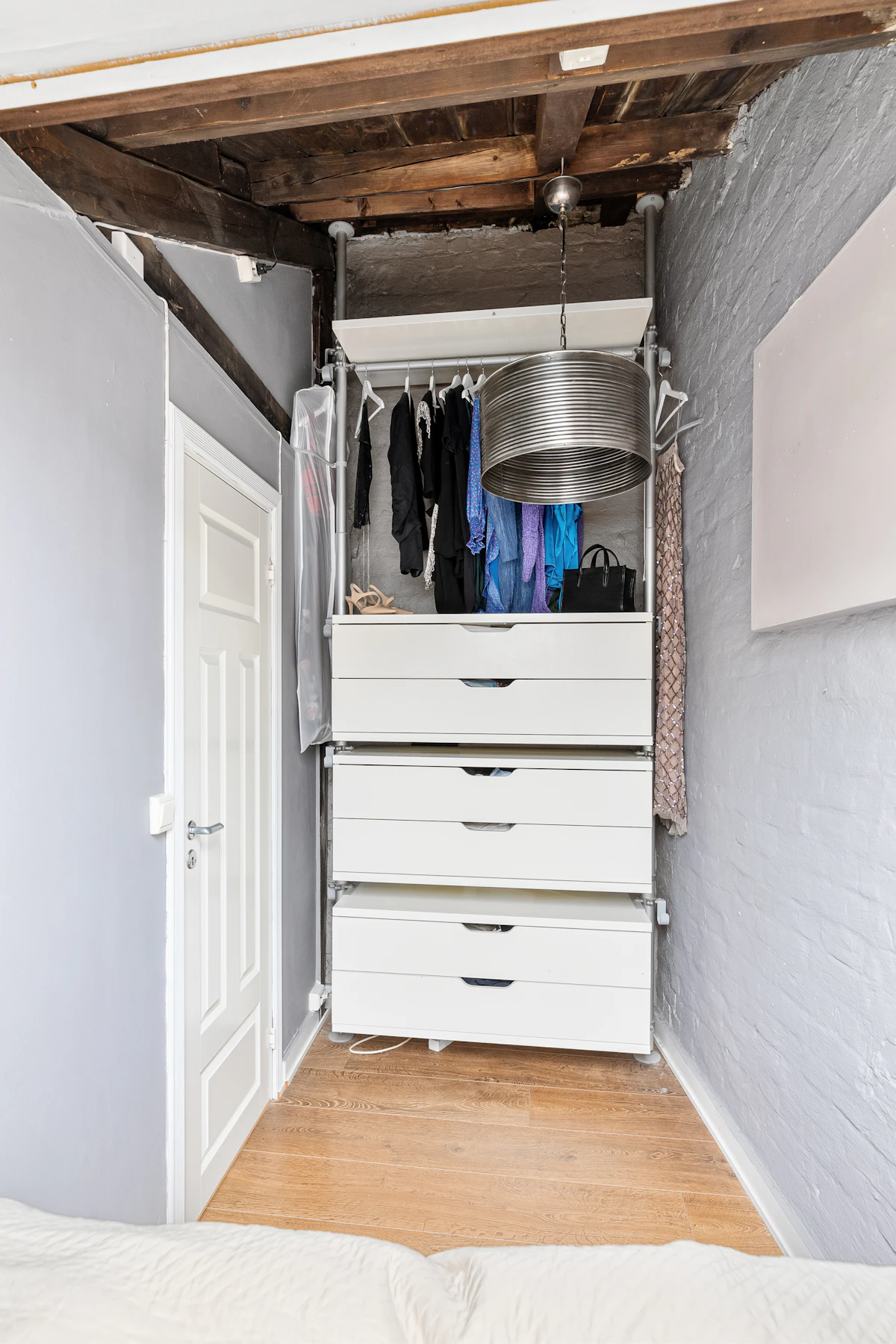
Do not buy containers, a second garment rack, more hangers, a large storage bed or a tall shelving unit until you know the categories, volumes and measurements. An organizer purchased too early can preserve items that should leave and take up the last flexible space in the room.
- Do not buy deep matching bins before measuring the shelf and access path.
- Do not buy tall furniture unless the footprint, anchoring instructions and lease are compatible. The CPSC’s Anchor It guidance explains the importance of securing furniture to reduce tip-over risk.
- Do not buy drawer dividers until the drawer has one defined category.
- Do not buy a second hamper to contain clean-clothes backlog; fix the put-away location first.
- Do not buy “miscellaneous” baskets. Name the exact category before choosing a container.
Three Small-Bedroom Organization Scenarios
One Person With Clothing Overflow
Clear the bed and path, remove laundry and donations, then group clothing by daily, weekly and seasonal use. Give the closet and one dresser alternative to current clothing; move seasonal pieces under the bed only after measuring. Create one small wear-again basket so the chair does not become a second wardrobe.
A Couple Sharing a Small Bedroom
Divide storage by person first, then by category. Each person receives a fixed amount of prime hanging, folded and bedside space. Share only categories that are genuinely household items, such as bedding. Label secondary bins and keep each person’s daily routine accessible without moving the other person’s belongings.
A Renter Who Cannot Drill
Use low freestanding furniture, a measured garment rack, under-bed containers and compatible door storage. Do not ignore an anti-tip requirement on tall furniture; choose a lower alternative if anchoring is not permitted. The renter-friendly wall storage guide explains no-drill options and their limits.
Use a Short Maintenance Routine
- Put dirty clothes in the hamper.
- Move wear-again clothes to their one defined zone.
- Return chargers to the charging point.
- Clear the bed and main floor path.
- Put papers in the inbox and remove obvious trash.
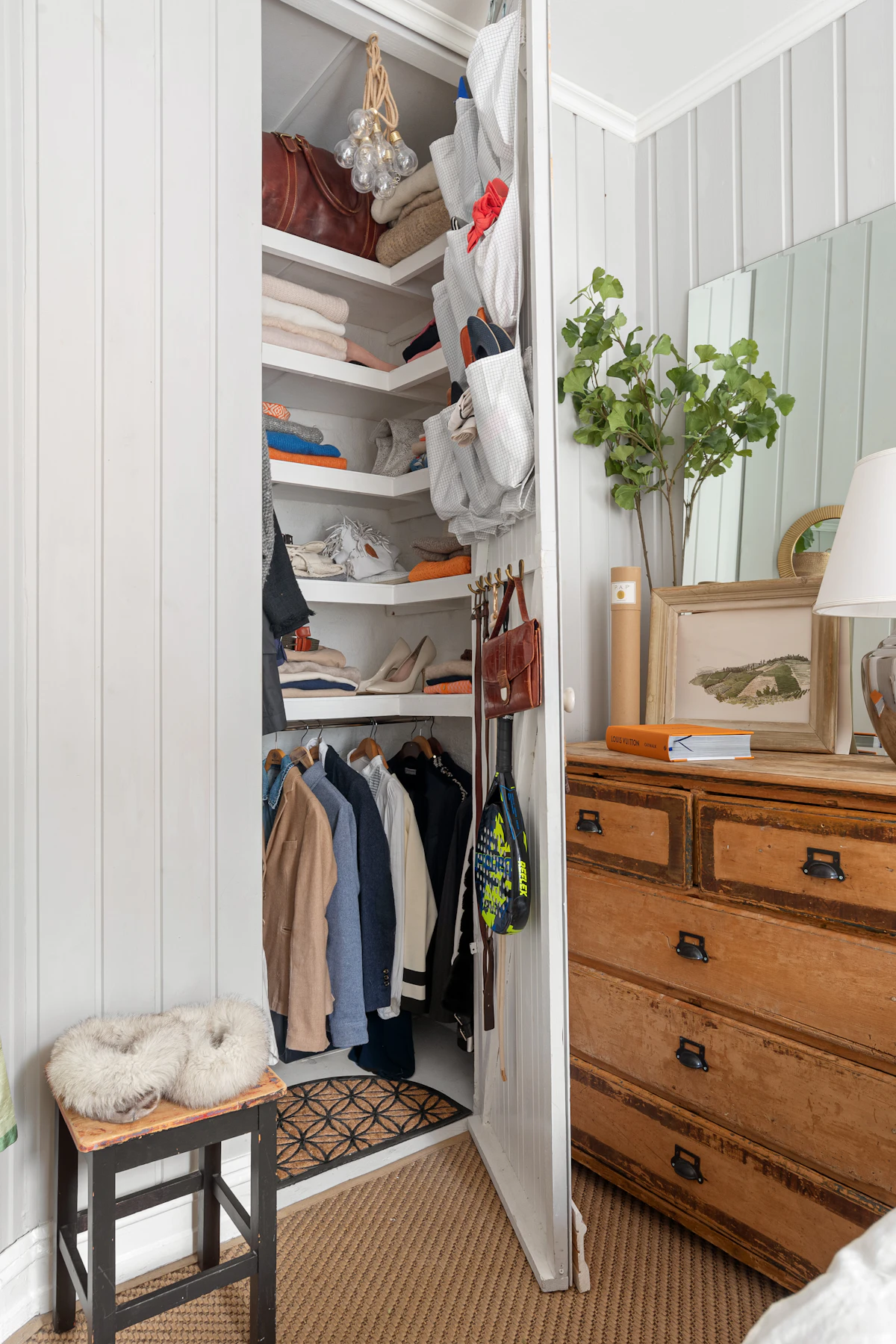
Once a week, empty the paper inbox, return items that migrated from other rooms, and reset the clothing zone. Once a month or at a seasonal change, review one full category instead of attempting the whole bedroom again. During Q4—especially in colder regions—prioritize coats, heavier bedding, holiday clutter, and cold-weather clothing; the fall cleaning checklist for small homes gives you a broader seasonal reset.
A one-in, one-out rule can help categories with a strict boundary, such as shoes or hangers. A fixed-capacity rule is often more useful: the category may contain any items you choose, but it must fit the assigned space without blocking access.
What to Avoid When Organizing a Cluttered Small Bedroom
- Emptying everything at once: it removes the bed and floor before decisions are complete.
- Buying storage first: containers do not decide what belongs in the room.
- Creating many duplicate catchalls: one category should have one primary home.
- Using every surface permanently: leave part of the nightstand, desk and dresser top open for their actual functions.
- Storing wet or dirty textiles with clean ones: use the laundry and wear-again zones correctly.
- Blocking doors, vents, windows or walking paths: storage must not reduce basic room function.
- Keeping undecided items indefinitely: use a dated review box, not an open-ended pile.
Frequently Asked Questions
What is the fastest way to start organizing a bedroom with too much stuff?
Choose one small zone and sort only into trash, laundry, donations, belongs elsewhere and bedroom items. Remove the first four categories immediately, then finish the bedroom items before expanding.
Should I declutter or organize first?
Remove trash, laundry, donations and out-of-room items first. Then group and reduce the remaining categories before assigning storage. Otherwise, you may organize items that should not occupy bedroom space.
How do I organize a small bedroom when I cannot get rid of much?
Rank items by access frequency, move occasional categories out of prime storage and set physical limits. If the safe storage still cannot hold the remaining volume, the room needs off-site, shared-household or seasonal storage—not another daily-access organizer.
Where should I put clothes that are worn but not dirty?
Use one small open basket, hook or short rail as an unfinished-clothing zone. Keep its capacity fixed and empty or review it on laundry day so it does not become a permanent pile.
How do I keep the bedroom organized after the reset?
Use a five-minute nightly reset, review the paper inbox weekly, and keep each category within its assigned container or shelf. When something no longer fits, edit that category instead of creating a new pile.
Recover Function, Then Refine the Storage
Clear one zone, restore the bed and walking path, remove the five exit categories, and give daily items the easiest storage. Stop when the room supports sleep, dressing and movement again. Only then measure for a missing shelf, bin or furniture piece. The useful finish line is not an empty room; it is a room where every remaining category fits and can be put away without moving something else first.
Photo credits: Dyana Wing So, Brandon Morales, Josef Maxson, Samuel Regan-Asante and Alex Tyson on Unsplash, used under the Unsplash License.