
Fall Cleaning Checklist: 25 Practical Tasks for Small Homes
A 25-step fall cleaning checklist designed for apartments, studios and small homes, with quick 15-minute resets, deeper weekend jobs and practical prep before October and the holiday season.
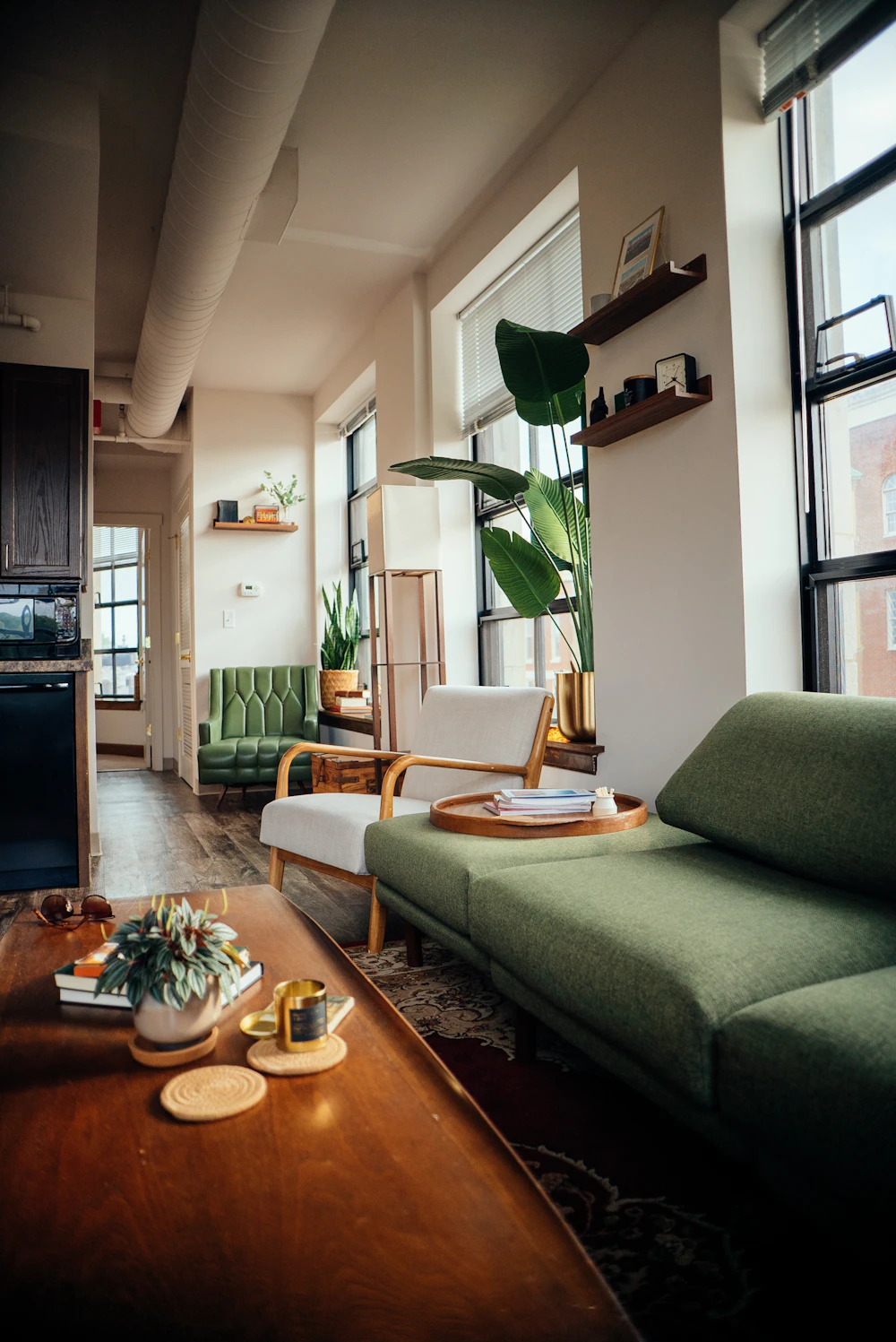
A fall cleaning checklist for a small home should create breathing room before it creates more work. In an apartment or studio, you cannot move clutter from room to room while deep-cleaning five zones at once. The better approach is to clear one small area, clean it, reset it for colder weather and move on.
These 25 tasks focus on the places that change most between late summer and fall: the entry, kitchen, bathroom, bedroom, living area, textiles and seasonal storage. You can do the quick tasks in 15-minute sessions during the week, then save the jobs that involve moving furniture, laundering bulky textiles or cleaning appliances for a weekend block.
Featured photo by Evan Wise on Unsplash.
Choose the Right Pace: 15-Minute Reset or Weekend Deep Clean
| If you have… | Do this | Good tasks |
|---|---|---|
| 15 minutes | Finish one visible micro-zone | Entryway, fridge shelf, bathroom drawer, nightstand, one textile load |
| 30–45 minutes | Complete one room’s seasonal reset | Kitchen fronts, bedroom surfaces, bathroom storage, living-room dust |
| 2–4 hours | Combine deep cleaning with seasonal rotation | Under furniture, appliances, bedding, closet swap, floors |
| A weekend | Work room by room and stop at functional clean | All 25 tasks with laundry and drying time |
If your home is already maintained day to day, keep using our 15-minute cleaning routine for small homes. For the regular weekly structure between seasonal deep cleans, follow our small apartment cleaning schedule, then use this checklist only for the seasonal jobs routine cleaning does not reach.
Entryway: Make Room for Fall Before It Arrives
1. Remove Summer-Only Gear From the Door
Move beach bags, sun hats, picnic gear and rarely used summer shoes out of the entry. Do not replace them immediately with every coat you own. The entry should hold the items used this week, not the entire season.
2. Wash or Vacuum the Entry Mat
Follow the care label. A clean mat is more useful before wetter weather starts because it can actually catch new dirt rather than holding a summer’s worth of dust. Let washable mats dry completely before putting them back.
3. Wipe the Door, Handles and High-Touch Landing Zone
Clean the inside door surface, handle, light switches and the shelf or tray where keys and bags land. Use a product suitable for each finish. Then reset the area with only the daily essentials.
If your entrance already feels crowded, our small entryway drop-zone guide shows how to create a landing point without turning a narrow hall into storage furniture.
Kitchen: Clear Summer Build-Up and Create Q4 Capacity
4. Empty and Wipe One Refrigerator Zone at a Time
Do not unload the whole refrigerator onto a small counter. Work shelf by shelf: remove items, discard expired food according to local guidance, wipe the shelf with a cleaner suitable for the appliance, dry it and return only what belongs there.
5. Clean Refrigerator Door Seals and Handles
Crumbs and residue collect in the folds of door gaskets. Use the appliance manufacturer’s cleaning instructions and avoid sharp tools that can damage the seal. Wipe the handle at the same time.
6. Reset the Pantry or Food Cabinet
Bring older food forward, group duplicate packages and create one small open area for fall staples. In a tiny kitchen, an empty half-shelf is more useful than filling every container to the edge because it gives incoming groceries somewhere to go.
For kitchens without dedicated pantry space, use our small-kitchen no-pantry system to choose cabinet, wall and cart zones rather than buying random bins.
7. Degrease Cabinet Fronts and the Backsplash
Focus on the handles, cabinet edges nearest the stove and backsplash. Test any cleaner on an inconspicuous area first, especially on painted or wood finishes. Work top to bottom so drips do not re-soil a cleaned section.
8. Clean the Oven or Toaster Oven Before Holiday Cooking
Follow the appliance manual, ventilation instructions and product labels. A small countertop oven may need crumbs removed and racks washed rather than a heavy chemical clean. Do not mix cleaning products.
Bathroom: Clean What Humidity Makes Easy to Ignore
9. Wash the Shower Curtain or Clean the Shower Screen
Use the curtain care label or the shower-screen manufacturer’s guidance. Dry the area well afterward. If you see recurring condensation or dampness, treat that as a moisture issue rather than covering it with fragrance.
10. Clear the Vanity of Summer Products
Remove empty sunscreen, expired samples and products you no longer use. Keep daily items in the easiest-to-reach zone and move backups elsewhere. A small vanity works better when the counter is not also the storage system.
11. Clean the Exhaust-Fan Cover or Vent Grille
Turn off power where the manufacturer instructs, remove only parts intended for routine cleaning and follow the fan manual. Dust on the grille can reduce airflow. If the unit needs internal servicing, leave that to the appropriate maintenance person or landlord.
12. Wash Bath Mats and Reset Towel Storage
Launder according to care labels and dry thoroughly. Keep only the number of towels that comfortably fit the shelf or hooks; overflow can live in a linen zone elsewhere.
Our small bathroom organization guide can help if towels, toiletries and cleaning supplies are competing for the same cabinet.
Bedroom and Closet: Rotate Without Creating a Laundry Mountain
13. Wash and Store True Summer Bedding
Clean lightweight blankets or seasonal covers according to their labels and dry them completely before storage. Use one measured under-bed or upper-shelf container instead of several half-filled bags.
14. Vacuum Under the Bed and Along Baseboards
Move only what you can safely handle. A crevice tool can reach much of the perimeter without dismantling the room. The U.S. EPA notes that vacuuming with a HEPA-filter vacuum can help keep some collected dust from escaping back into the air; see its indoor particulate matter guidance.
15. Rotate Seasonal Clothing in Small Batches
Start with swimwear, sandals and unmistakably summer-only pieces. Keep transitional layers accessible until your local weather actually changes. Store only clean, dry clothes.
If under-bed space is your main seasonal zone, the measurements in our under-bed storage guide will help you choose a container that can be removed easily rather than wedged under the frame.
16. Dust the Tops of Wardrobes, Headboards and Lamps
Work from high surfaces downward so the floor is cleaned last. Use a stable step stool where needed; do not climb on chairs or unstable furniture to reach high areas.
Living Space: Prepare for More Time Indoors
17. Vacuum Upholstery and Under Removable Cushions
Check the furniture care label before using moisture or cleaning solutions. Start with dry debris: crumbs, pet hair and dust around seams. If cushions are reversible, rotate them if the manufacturer allows.
18. Clean Behind One Large Piece of Furniture
You do not need to move the entire room. Choose the sofa, media console or one accessible storage unit. If furniture is heavy or wall-anchored, clean around it rather than risking injury or disturbing safety hardware.
19. Wash Throws and Pillow Covers
Launder only removable textiles whose care labels allow it. Dry completely before returning them. Put summer-weight throws away before adding thicker blankets so the sofa does not become seasonal storage.
Laundry and Textiles: Reset the Things That Hold Dust
20. Clean the Washer’s Routine-Care Areas
Follow your washer manual for the detergent drawer, gasket, filter and cleaning cycle. Different machines have different access points, so do not assume a filter should be removed unless the manufacturer says it is user-serviceable.
21. Clear Lint and Check the Dryer Area
Clean the lint screen as directed and keep the area around the appliance free of loose lint and stored items. For duct or vent maintenance beyond routine user cleaning, follow the dryer manual or use qualified maintenance.
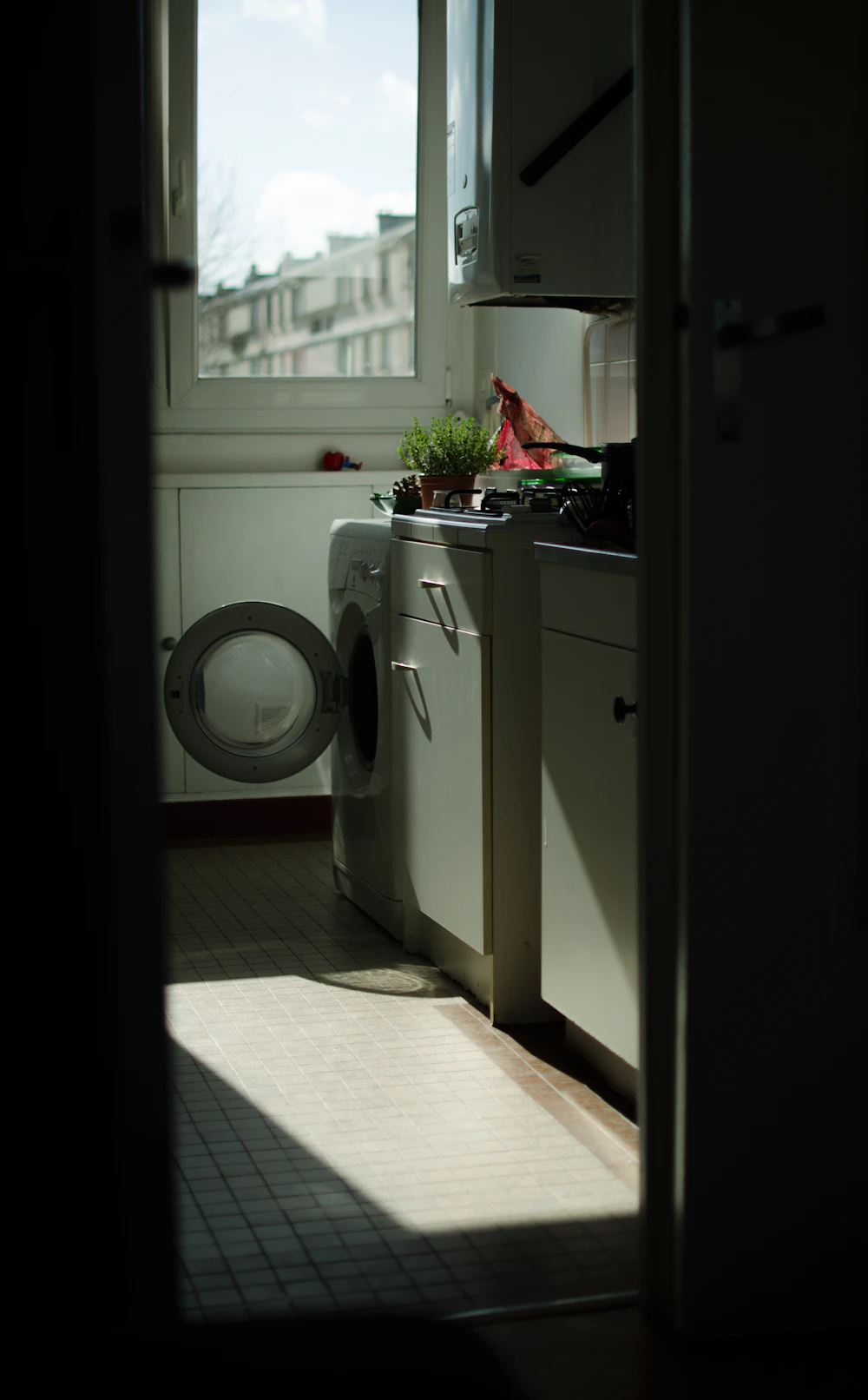
If your laundry area is also a storage pinch point, see our small laundry room organization ideas for shelves, narrow gaps and renter-friendly layouts.
Air, Moisture and Seasonal Readiness
22. Dust Accessible Vents and Returns
Vacuum or wipe accessible grilles without pushing debris deeper into the system. If your HVAC system uses a replaceable filter, follow the equipment or landlord instructions for filter type and replacement timing rather than guessing.
23. Check for Condensation, Damp Corners or Musty Storage
Look behind curtains, around windows, near exterior walls and inside crowded closets. The EPA recommends indoor humidity below 60%, ideally 30–50%, and prompt attention to moisture or condensation; see its mold and moisture guide. Cleaning alone will not solve an active leak or repeated dampness.
24. Test Smoke and Carbon-Monoxide Alarms as Applicable
Use the test button and follow the alarm manufacturer’s instructions. The National Fire Protection Association recommends testing smoke alarms monthly, so a fall reset is a useful reminder rather than a once-a-year substitute. Replace batteries or alarms only according to the product guidance and local requirements.
25. Create One Empty “Q4 Buffer” Zone
Finish by leaving one basket, shelf section or small cabinet area deliberately empty. Holiday groceries, guest items, packages and winter accessories are easier to absorb when the home has a little spare capacity. In a small home, empty storage is not wasted storage; it is what keeps the next busy season from spilling onto counters and floors.
Printable-Style 25-Item Fall Cleaning Checklist
- Remove summer-only entry gear.
- Wash or vacuum the entry mat.
- Wipe the door, handles and landing zone.
- Clean the refrigerator one zone at a time.
- Clean refrigerator seals and handles.
- Reset the pantry or food cabinet.
- Degrease cabinet fronts and backsplash.
- Clean the oven or toaster oven.
- Wash the shower curtain or clean the screen.
- Clear summer products from the vanity.
- Clean the bathroom fan cover or vent grille.
- Wash bath mats and reset towels.
- Wash and store summer bedding.
- Vacuum under the bed and along baseboards.
- Rotate seasonal clothing.
- Dust wardrobe tops, headboards and lamps.
- Vacuum upholstery and cushions.
- Clean behind one large furniture item.
- Wash throws and pillow covers.
- Clean user-serviceable washer areas.
- Clear lint and reset the dryer area.
- Dust accessible vents and returns.
- Check for condensation or damp storage.
- Test smoke and CO alarms as applicable.
- Create one empty Q4 buffer zone.
Frequently Asked Questions
What should I clean in September?
Prioritize the seasonal transition points: entryway, refrigerator and pantry, bathroom ventilation surfaces, bedding, under-bed dust, seasonal clothing, living-room textiles and the areas around heating or air vents. September is also a useful time to make room for coats and holiday-season extras before they arrive.
How long should a fall clean take in a small apartment?
It depends on maintenance level and laundry time. Instead of targeting a fixed number of hours, use 15-minute micro-zones during the week and reserve one two- to four-hour block for under-furniture cleaning, appliances, bedding and seasonal storage.
Is fall cleaning different from spring cleaning?
It can be. A practical fall reset prepares the home for more indoor time, wet-weather gear, heavier textiles and the Q4 holiday period. In a small home, the storage rotation is as important as the cleaning itself.
What should renters skip?
Skip maintenance that belongs to the landlord or requires opening building systems, moving fixed equipment or making unauthorized changes. Clean accessible surfaces and user-serviceable appliance parts, document moisture or repair concerns and follow your lease or building guidance.
Finish Before You Add More
The best fall home reset is not the one with the longest checklist. It is the one that leaves your small home easier to use in October than it was in September. Finish one zone, remove what no longer belongs there, clean the surfaces ordinary routines miss, and preserve a little empty capacity for the colder, busier months ahead.