
15 Over-the-Door Storage Ideas for a Small Bedroom
Practical back-of-door bedroom storage for robes, accessories, linens and laundry, with measuring steps, door compatibility guidance and renter-friendly alternatives.
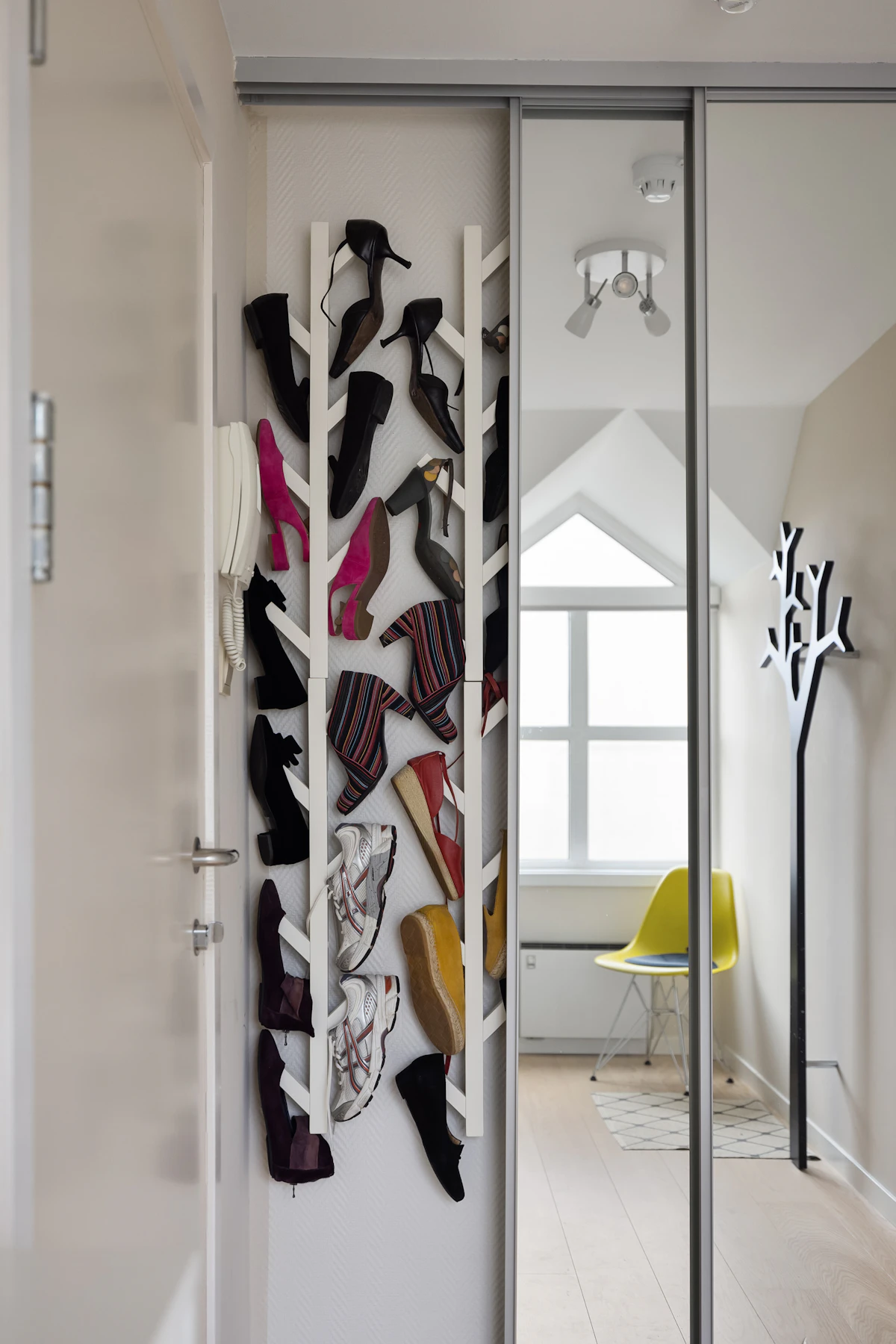
The most useful over-the-door storage ideas for small bedrooms keep light, frequently used items visible without changing how the door works. Good candidates include robes, next-day clothes, socks, scarves, belts, small linens and lightweight laundry. Before buying an organizer, measure the door thickness and top gap, check the frame and trim, test the full swing, and confirm the loaded organizer will not block the handle, lock, floor or required exit path.
The back of a bedroom or closet door can recover storage without taking permanent floor space, but it is not a universal surface. Hardware thickness, door style, hinges and nearby walls all affect compatibility. This guide explains what to store there, how to check the fit, and when an adhesive or freestanding alternative makes more sense.
Measure the Door, Gap and Swing Before You Buy
An over-door organizer has to fit more than the door slab. The brackets must sit over its top edge, pass beneath the frame, clear any weather stripping or trim, and let the door latch. Measure with the door closed and open, because a tight-looking top gap can change along the swing.
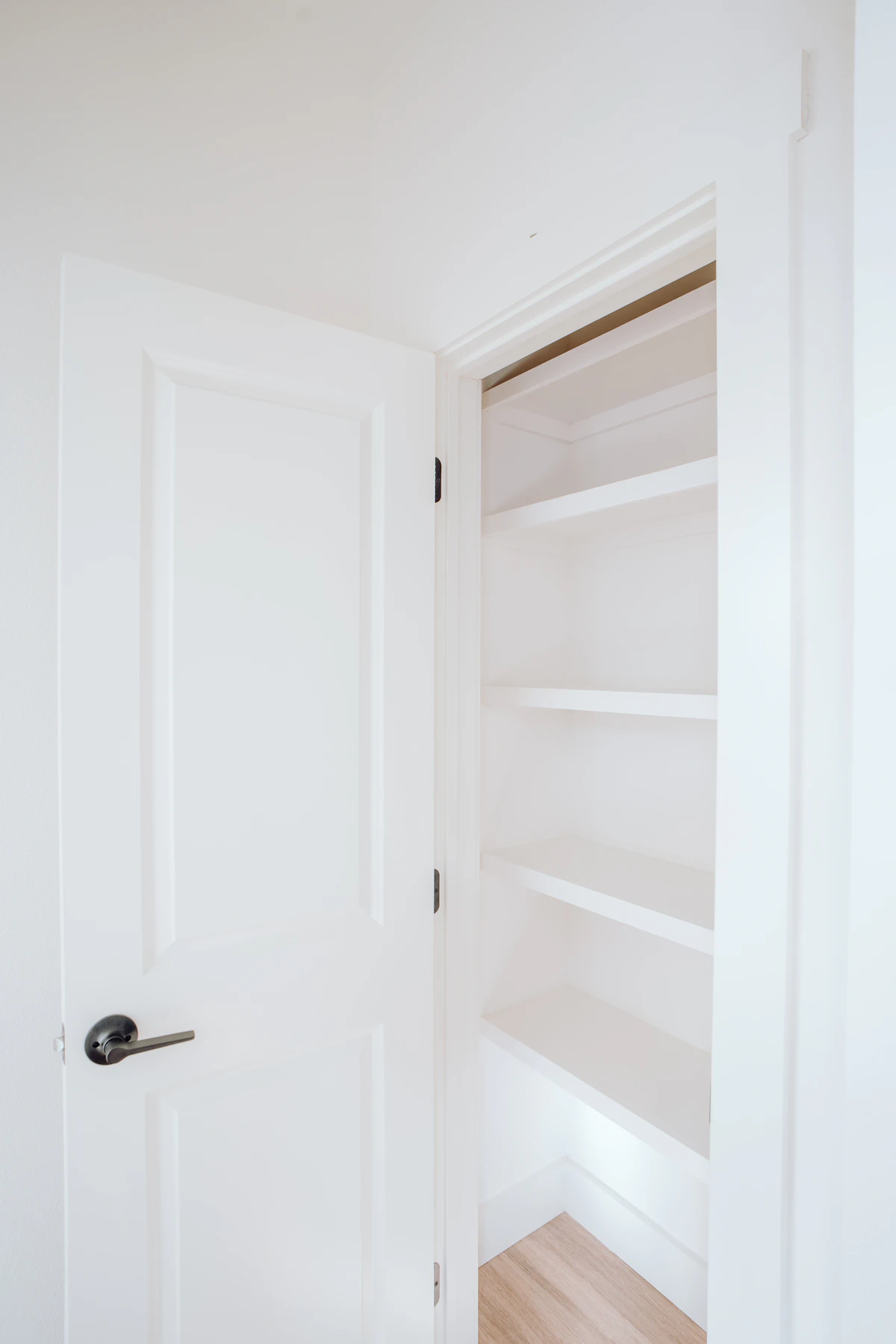
- Measure the door thickness and compare it with the organizer’s stated fit range.
- Measure the gap above the door at several points along its swing.
- Check whether the frame or decorative trim projects into the bracket path.
- Measure from the door top to the handle, lock, vent and floor.
- Open the door fully and note where the organizer could hit a wall, shelf or furniture.
- Confirm the organizer is approved for that door type and follow its load and installation limits.
- Check whether protective pads are supplied or permitted by the manufacturer.
After installation, test the door empty, then add light items gradually. Listen for new scraping or hinge noise and confirm the latch still engages without force. A bracket that fits on top can still be too thick for the frame.
Over-the-Door Organizer Compatibility by Door Type
| Door type | Likely compatibility | What to measure | Main risk | Alternative solution |
|---|---|---|---|---|
| Standard hinged bedroom door | Often suitable when the product fits | Thickness, top gap, trim, swing and handle clearance | Rubbing, rattling or hinge strain | Light adhesive hooks on a compatible surface or a freestanding valet |
| Hinged closet door | Often suitable, especially on the closet-facing side | Interior shelf depth, clothing clearance and latch | Organizer hits shelves or closet contents | Closet-wall hooks or a narrow shelf bin |
| Thick or unusually tall door | Only with a product listing that exact fit | Exact thickness and bracket depth | Bracket will not seat or door will not close | Mounted rail with approved hardware or freestanding storage |
| Hollow-core hinged door | Possible for compatible over-door products | Top edge condition, fit and product instructions | Overloading or unsuitable screw attachment | Light over-door hook, or floor-supported storage |
| Bifold closet door | Usually limited | Panel width, folding joints, track and knob clearance | Prevents folding or pulls panels out of alignment | Closet-side hanging organizer or narrow freestanding tower |
| Sliding or bypass door | Usually poor for over-door brackets | Track and overlap clearance | Organizer blocks sliding panels | Adhesive hooks approved for the surface, or inside-closet rail storage |
| Mirrored or glass door | Use only a system explicitly designed for it | Surface, edge, track and manufacturer guidance | Scratching, breakage or track interference | Freestanding rack or storage attached elsewhere |
| Pocket door | Not suitable while the door retracts into the wall | Nothing should project into the wall pocket | Damage and failure to retract | Freestanding hooks or storage on an adjacent approved surface |
15 Over-the-Door Storage Ideas for a Small Bedroom
If you need storage for a small bedroom without a closet, use the back of the door for lightweight daily-access categories rather than trying to replace an entire wardrobe. Pair door storage with the dedicated small-bedroom-without-a-closet guide for clothes, shoes and longer-term storage.
1. Hang One Robe or Lightweight Layer on a Padded Hook
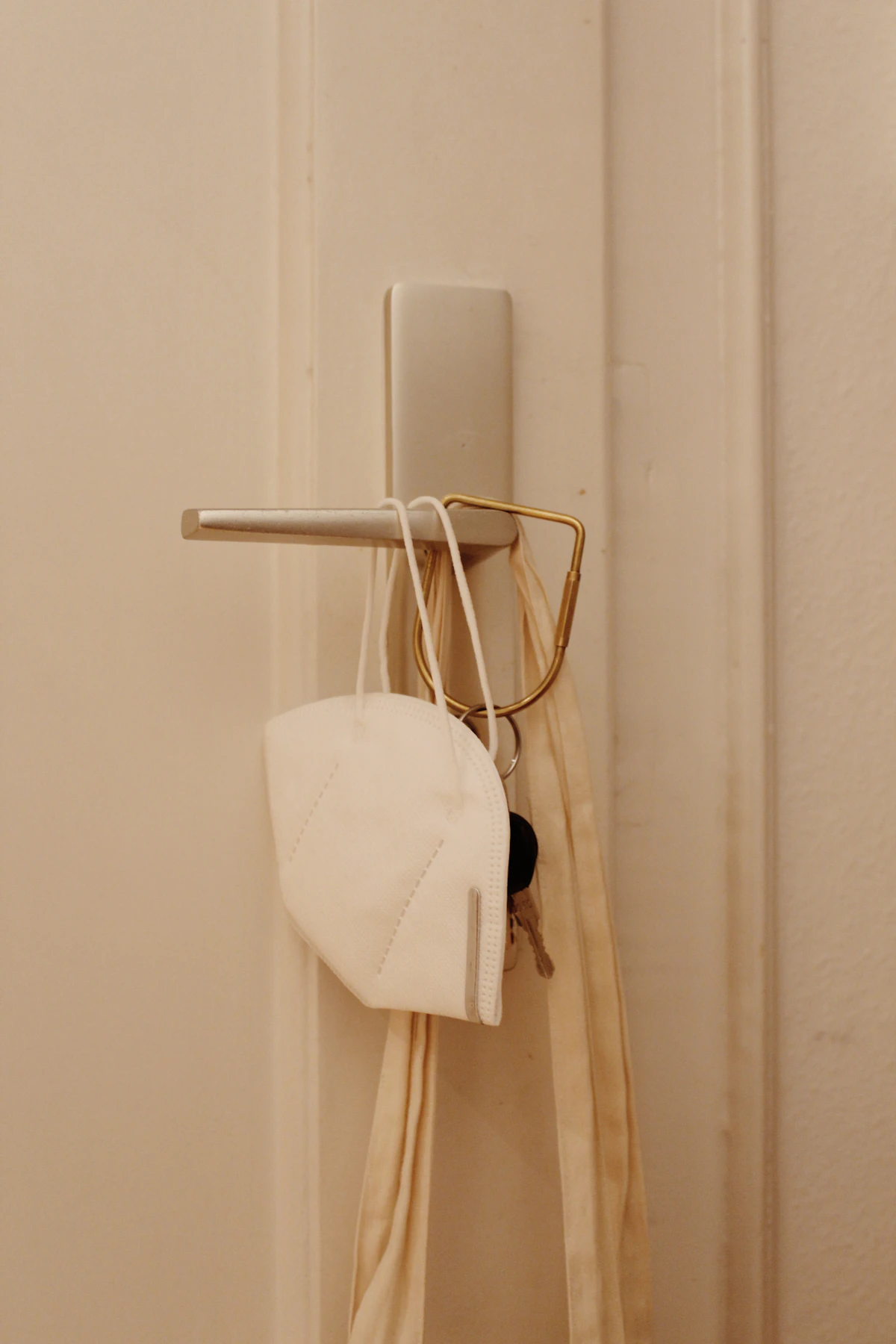
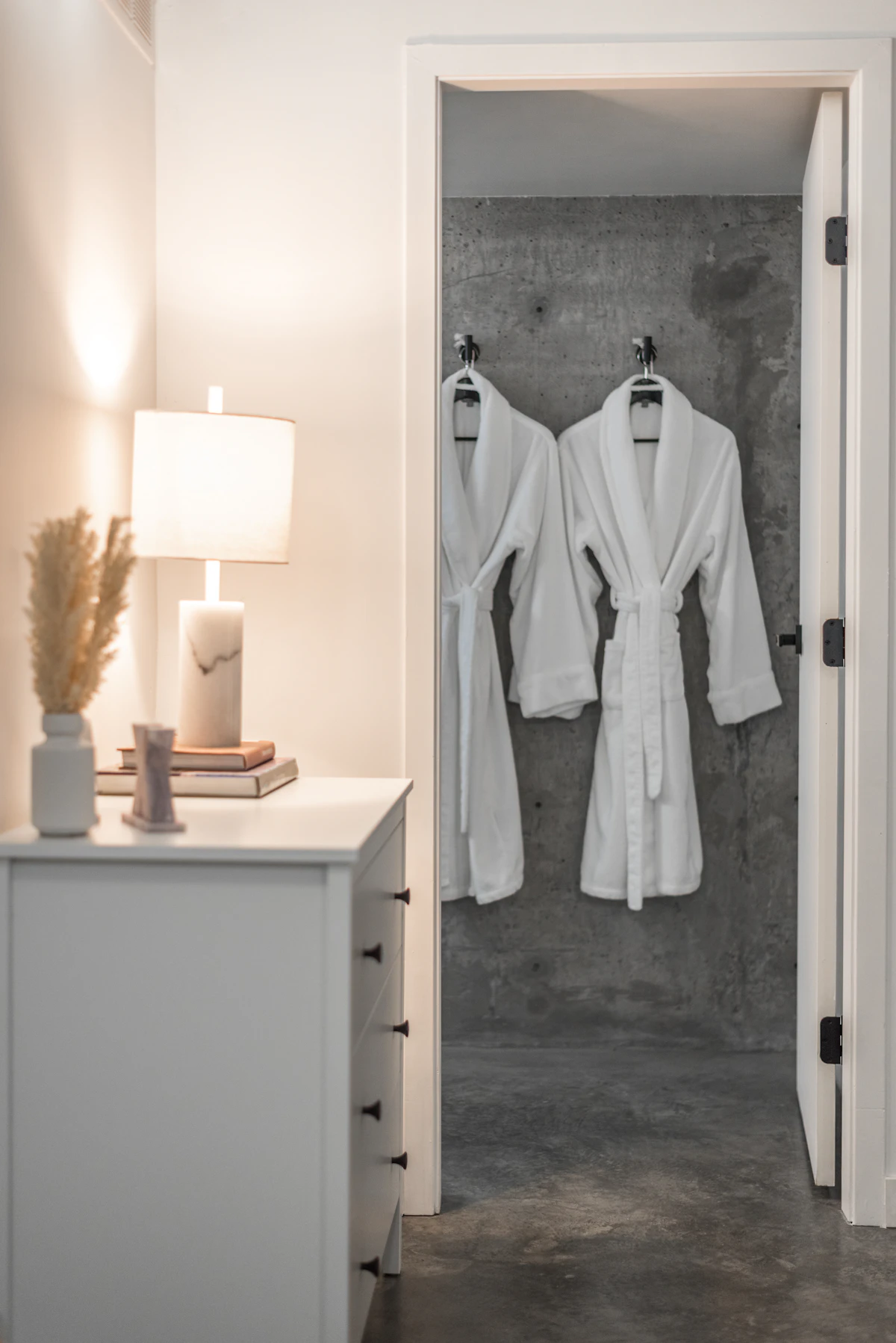
A simple hook is the lowest-complexity option for a robe, cardigan or light jacket. It works well on the bedroom door when the item is used daily and the hook does not contact the frame.
Use the pads supplied or permitted by the maker to reduce movement and marks. Do not keep adding hangers to one hook; follow the product’s stated limit and move heavier coats to a floor-supported rack.
2. Use Clear or Labeled Pockets for Small Accessories
Pocket organizers are useful for scarves, hosiery, sleep masks, hair accessories, fabric belts and other small categories that disappear in deep bins. Give each row one purpose and keep frequently used items between waist and shoulder height.
Bulky objects can pull the fabric forward and make the organizer swing. If pockets sag or hide their contents, reduce the number of categories rather than stuffing them deeper.
3. Repurpose a Shoe Organizer for Socks and Workout Accessories
A shoe-pocket organizer can store rolled socks, resistance bands, caps, gloves or other lightweight bedroom items. This works especially well when the closet has hanging space but no small-item drawers.
Do not use every pocket simply because it exists. A fully packed organizer becomes heavy and can keep the door from closing quietly.
4. Choose Fabric Shelves for Light Folded Items
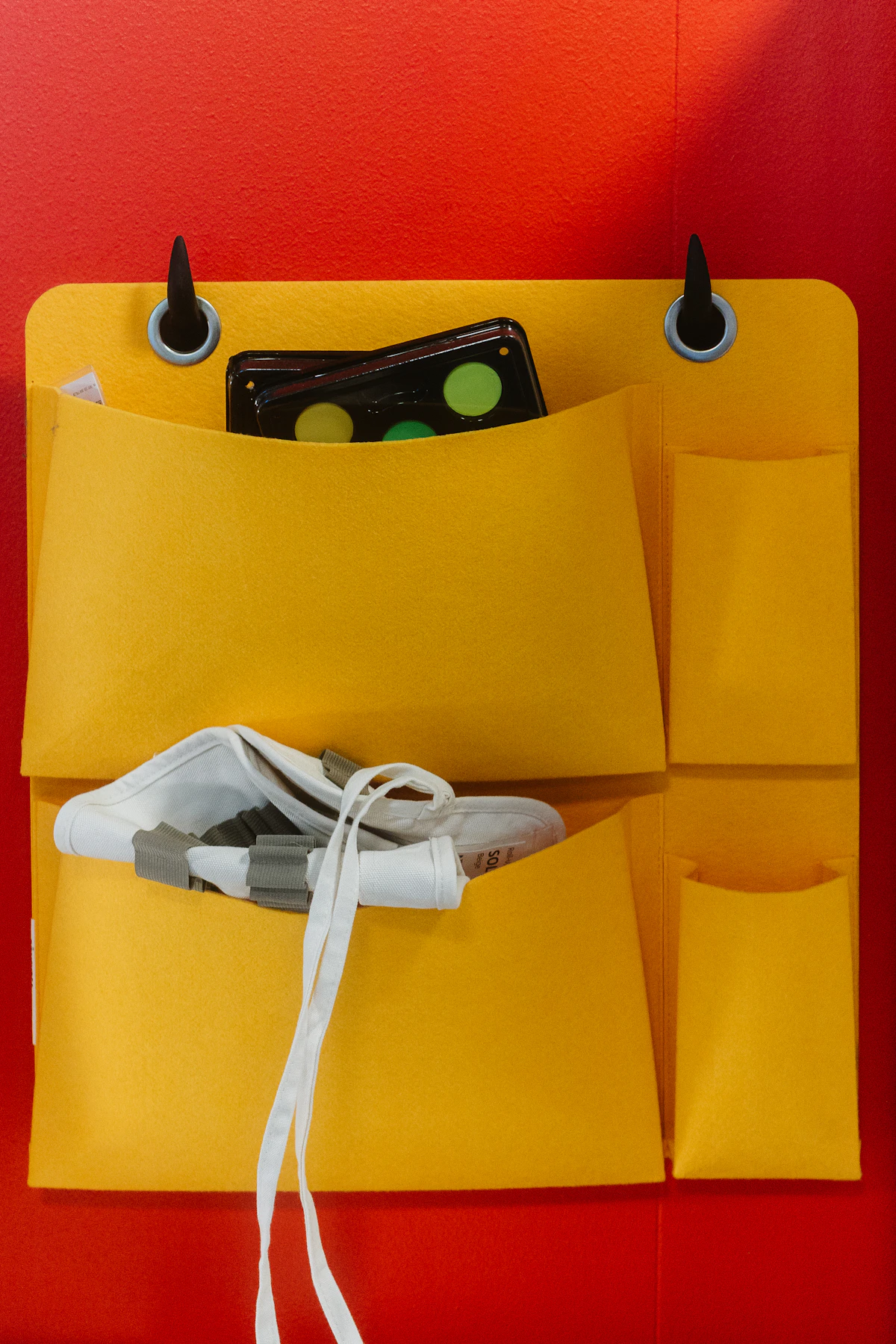
Door-hung fabric shelves can hold pajamas, leggings, T-shirts or small towels when the product is made for that use. Use one light category per shelf so the bottom does not bow and items remain visible from the front.
This is a poor substitute for a dresser when most clothes are heavy or the door moves constantly. In that case, use the guide to dresser alternatives for a small bedroom instead.
5. Use Shallow Basket-Style Racks for Structured Categories
A rigid metal or plastic door rack can keep small linens, rolled scarves or accessory pouches from collapsing together. Choose shallow baskets so the loaded unit does not project into a narrow walkway or hit furniture behind the door.
Rigid racks tend to rattle more than fabric organizers. Protective spacers may help only when the manufacturer includes or permits them.
6. Hang a Lightweight Laundry Bag
A door-hung laundry bag can free floor space in a small bedroom and works well for light daily clothing. Choose a bag that can be removed easily and emptied before it becomes difficult to lift or makes the door hard to operate.
Damp towels and wet workout gear should not sit in a closed bedroom bag. Dry them first or use a ventilated laundry setup appropriate to the space.
7. Add a Rail for Belts, Scarves and Soft Bags
A narrow over-door rail with several hooks separates belts, scarves and empty lightweight bags. Hang items in a single layer so they do not catch the handle or drag on the floor.
If a bag is heavy before anything is placed inside it, store it elsewhere. Door storage is better for soft accessories than for loaded totes.
8. Keep Jewelry in a Closed Hanging Organizer
A fabric jewelry roll or compartmented hanging organizer can protect lightweight necklaces, bracelets and costume jewelry while keeping them off a crowded nightstand. A closed design is less likely to snag when the door moves.
Do not place valuable or fragile jewelry where an exterior-facing door, direct sunlight or repeated impact creates risk. A small box inside the closet may be more secure.
9. Create a Next-Day Outfit Hook
Use one hook or short rail for tomorrow’s outfit, not as overflow for the entire week. A planned outfit zone can reduce morning searching and gives lightly worn pieces a temporary place that is not the floor or chair.
Clear it after dressing. If five outfits accumulate, the hook has become a second closet rather than a planning tool.
10. Store a Small Set of Linens in Breathable Pockets
A door organizer can hold one spare pillowcase set, a folded throw or a few hand towels when shelves are unavailable. Keep the quantity small and the fabric fully dry.
A bedroom door near a humid bathroom is not automatically a good linen cabinet. The EPA’s mold and moisture guidance emphasizes controlling moisture and drying damp materials promptly.
11. Give Hats and Caps Their Own Row
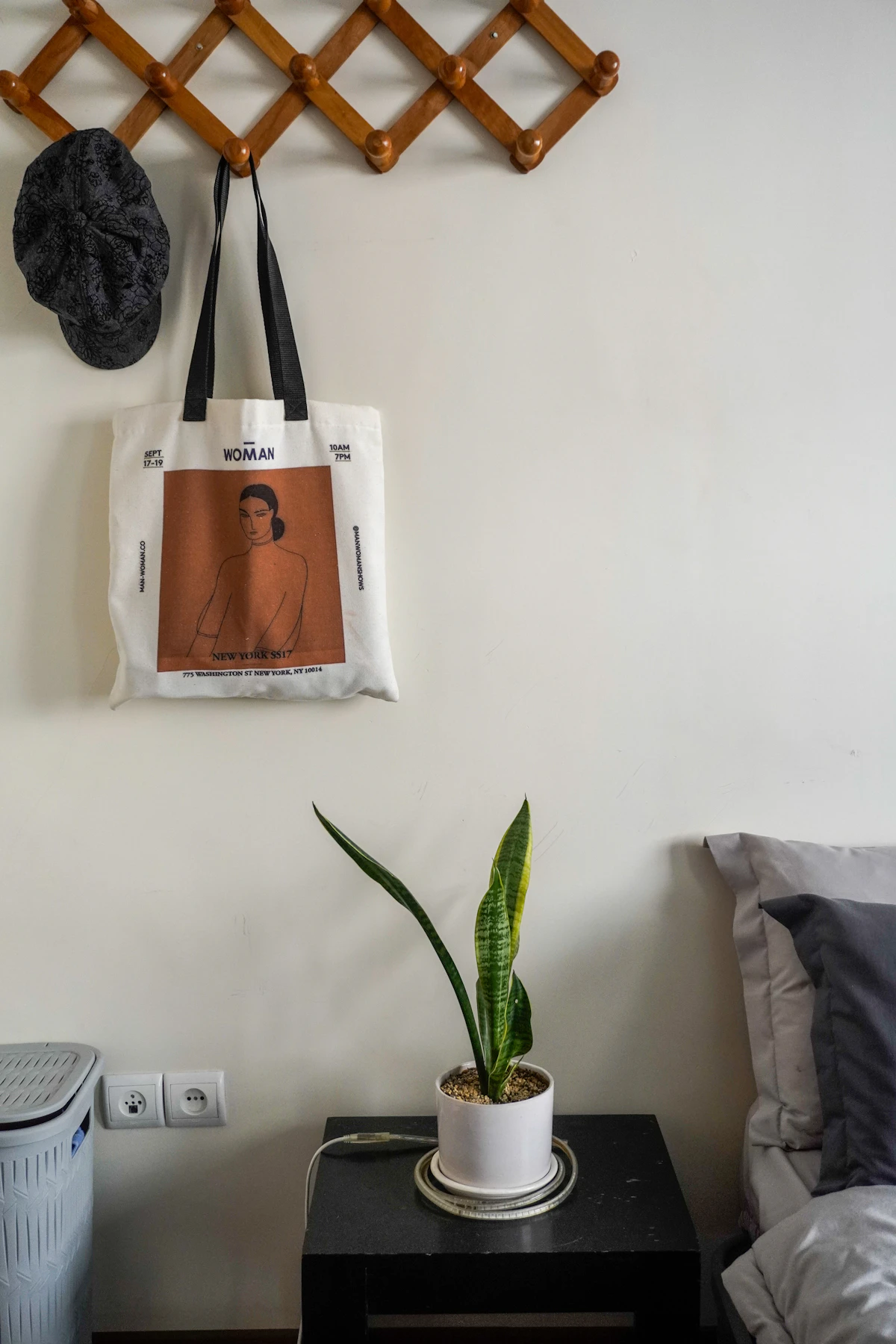
Light caps can hang from individual hooks or sit in open pockets without using closet shelf space. Arrange them by frequency, with the current few easiest to reach.
Structured hats that crush easily need a shelf or box. Avoid building a thick stack that projects into the door swing.
12. Use Lower Pockets for Soft Sleep Accessories
Reserve low pockets for slippers, a heating-pad cover, clean sleep masks or other soft bedtime items. The lower position keeps prime eye-level pockets available for categories used while dressing.
Do not store medication, sharp objects, batteries or anything unsafe for children or pets in open low pockets.
13. Add a Small Catchall for Empty Pouches and Packing Cubes
One basket or pocket can hold empty packing cubes, zip pouches or fabric storage bags that are used for travel and seasonal rotation. This keeps flexible containers from spreading across a closet shelf.
Keep the pocket limited to empty, lightweight items. Toiletries and liquids belong in storage designed for leak containment.
14. Use Adhesive Hooks When Brackets Will Not Clear the Frame
A product-specific adhesive hook can be better than an over-door bracket when the top gap is too narrow or the frame rubs. It still requires a compatible surface, proper preparation and the exact installation and removal procedure.
Do not assume “removable” means risk-free on every paint or finish. Follow the maker’s instructions; 3M’s official Command application and removal guidance is one example of why surface, preparation and removal direction matter. The broader renter-friendly wall storage guide compares no-drill options.
15. Move Storage Off the Door When Operation Changes
The last “door storage” idea is knowing when not to use the door. A narrow valet stand, short garment rack, bedside basket or shallow freestanding tower is safer when the organizer blocks the latch, makes the door swing unpredictably, interferes with a vent or puts frequent stress on the hinges.
Do not keep adapting the door to a product that does not fit. Storage should support normal door operation, not require lifting, pushing or slamming.
If every pocket and hook is already full, the issue may be excess volume rather than unused door space. Use the ordered process to organize a small bedroom with too many belongings before adding another organizer.
Bedroom Door or Closet Door?
The bedroom door is easier to reach, so use it for one robe, a planned outfit or a light laundry bag. It is also more visible and may move more often. Keep the projection shallow and do not cover the lock, latch or handle.
The closet door can keep accessories closer to clothing and reduce visual clutter. Check what happens inside the closet when it closes: a rack may hit shelves, hanging garments or drawers. If the room has no closet at all, link door storage with the broader system in the guide to organizing a bedroom without a built-in closet.
Three Small-Bedroom Door Storage Scenarios
Standard Hinged Bedroom Door
Use a padded hook for one robe and a narrow pocket panel for scarves and sleep accessories. Keep the handle area clear and confirm the loaded panel does not hit the wall when the door opens fully. If the door becomes noisy, reduce the load rather than tightening or adding improvised hardware.
Bifold Closet Doors
Skip a full-width over-door rack unless the product explicitly supports that door. Use a hanging shelf from the closet rod, a slim bin on an existing shelf or a small freestanding tower beside the closet. The doors must still fold and track normally.
Sliding or Mirrored Closet Doors in a Rental
Do not place a bracket where panels overlap or travel. Use a freestanding garment valet, interior closet organizer or a surface-compatible light hook elsewhere. Broader small-apartment storage options can recover vertical space without interfering with the door system.
What to Avoid With Back-of-Door Bedroom Storage
- Heavy or fragile items: books, glass, loaded bags and electronics are poor candidates.
- Invented load assumptions: follow the specific organizer and door instructions, not a capacity from a different product.
- Blocked hardware: keep handles, locks, latches and vents clear.
- Required exit interference: the door and path must remain usable; review the NFPA’s home escape planning guidance and local housing requirements.
- Forced closing: scraping or resistance means the bracket or load is incompatible.
- Unprotected movement: use only manufacturer-approved pads or spacers.
- Wet textiles: dry towels and workout clothing before placing them in a bag or pocket.
Frequently Asked Questions
Do over-the-door organizers fit every bedroom door?
No. Door thickness, top gap, frame, trim, hinge condition and organizer bracket size vary. Compare your measurements with the exact product specifications and return or remove anything that stops normal closing.
Can an over-door organizer damage a door?
It can rub paint, mark the surface, rattle or add strain when the fit or load is wrong. Use supplied or approved protection, stay within the maker’s limits and check the door after installation.
What should I store on the back of a bedroom door?
Choose light, frequently used items such as a robe, next-day outfit, scarves, belts, socks, sleep accessories or a small amount of laundry. Keep heavy, sharp, fragile and high-consequence items elsewhere.
Can I use an over-door organizer on a bifold or sliding closet door?
Usually not unless the manufacturer explicitly lists that door type. Brackets can interfere with folding panels, tracks or overlapping sliding doors. Use closet-rod storage or a freestanding alternative instead.
Are adhesive hooks better than over-the-door hooks for renters?
They are better only when the exact surface, item weight and removal method match the product instructions. An over-door hook avoids adhesive contact but can still rub or prevent closing. Choose according to the door and wall, not the “renter-friendly” label alone.
Use the Door Only if It Still Behaves Like a Door
For Q4 in colder climates, the back of a bedroom door can temporarily hold light scarves, hats, or next-day layers, but keep bulky coats near the entryway instead. See the small entryway coat and boot storage guide for seasonal outerwear ideas.
Measure first, choose one or two light categories, and test the loaded organizer through the entire swing. If the door closes, latches and moves quietly without obstruction, the storage is earning its place. If not, shift the same categories to a shallow shelf, compatible hook or freestanding unit and keep the door fully functional.
Photo credits: Lisa Anna, Bailey Alexander, Silke, Fujiphilm, Suzanne Rushton and Odile on Unsplash, used under the Unsplash License.