
Small Apartment Cleaning Schedule: Daily, Weekly & Monthly
A realistic small apartment cleaning schedule with daily, weekly and monthly tasks, plus studio and one-bedroom versions that fit busy weeks.
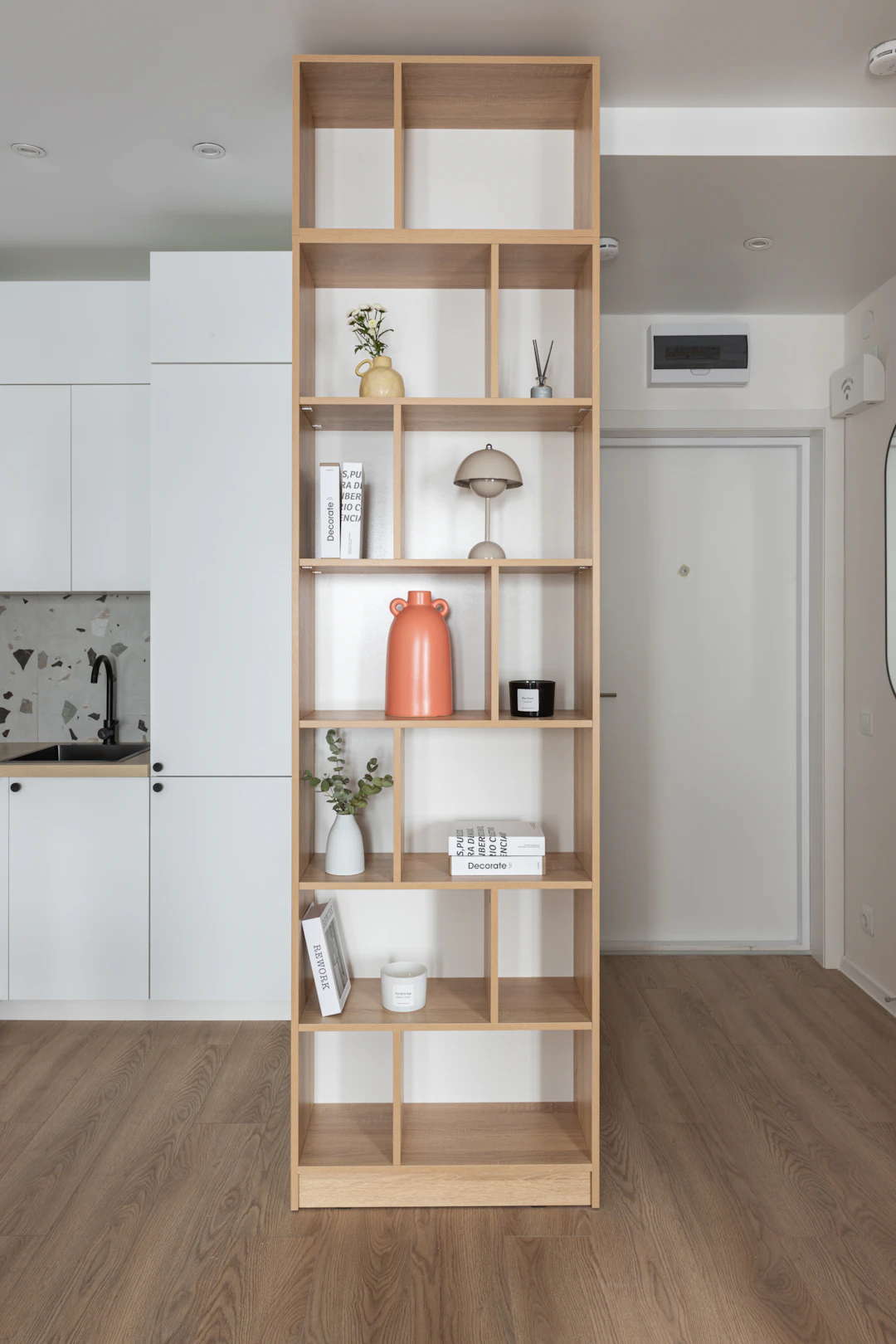
A small apartment cleaning schedule works best when it separates three jobs: a short daily reset for visible mess, one focused weekly zone at a time, and a rotating list of deeper monthly tasks. That keeps a studio or one-bedroom clean without turning Saturday into a three-hour catch-up session.
If your space gets messy faster than it feels like it should, that is normal for compact homes: the same countertop may be prep space, mail drop, coffee station and dining overflow. The goal is not to clean everything every day. It is to protect the few surfaces and routines that make the whole apartment feel functional.
Use This Small Apartment Cleaning Schedule as a Baseline
| Frequency | What to clean | Time target |
|---|---|---|
| Daily | Dishes, kitchen counter, obvious clutter, trash check, one clear floor path | About 10 minutes |
| Weekly | Bathroom, floors, dusting, bedding, kitchen fronts, laundry, entryway | 20–30 minutes per zone |
| Monthly / rotating | Fridge shelves, baseboards, vents, cabinet interiors, under furniture, shower detail, declutter one storage zone | One task at a time |
This is a planning framework, not a rule. Pets, children, cooking frequency, allergies, flooring and the number of people in the apartment can change how often a task needs attention.
The 10-Minute Daily Reset
The daily reset prevents small messes from becoming tomorrow’s cleaning project. If you prefer a guided timer, use our 15-minute cleaning routine for small homes. For this schedule, the shorter version is enough:
- 3 minutes — dishes: wash, load or at least rinse and stack them neatly.
- 2 minutes — kitchen: wipe the main prep counter and deal with food crumbs.
- 2 minutes — clutter: return items from the sofa, table and floor to their home.
- 1 minute — bathroom check: hang towels, clear the sink edge and wipe an obvious splash.
- 1 minute — trash: empty anything full or smelly.
- 1 minute — floor path: clear the route from the front door to the kitchen, bathroom and bed.
In a small home, a clear path and one clear horizontal surface often make a bigger visual difference than polishing a low-priority corner.
A Realistic 7-Day Cleaning Schedule for a Small Apartment
Monday: Kitchen Reset
Wipe the stovetop and appliance fronts, clean the sink, check old food in the fridge and sweep or vacuum the kitchen floor. If food storage is the reason counters keep filling up, fix the storage problem first with our guide to organizing a small kitchen with no pantry.
Tuesday: Bathroom
Clean the toilet, sink and mirror; rinse or wipe the shower or tub; replace towels if needed; and clean the floor. Keep products off the wettest surfaces so the room is faster to clean next time. Our small bathroom organization guide can help if bottles and backups are blocking the surfaces you need to wipe.
Wednesday: Floors + Dust
Dust from higher surfaces downward, then vacuum or sweep the full apartment. Mop hard floors where they actually need it. In a studio, this is usually easier as one continuous pass rather than pretending each zone is a separate room.
Thursday: Bedroom + Laundry
Change bedding as needed, clear the bedside area, put away clothes, and complete one laundry cycle from hamper to closet. If storage under the bed is turning into a dust trap or overflow pile, review our under-bed storage ideas for small bedrooms and keep only items you can still access easily.
Friday: Living Area + Entryway
Reset the sofa, clear the coffee table, wipe high-touch surfaces, and return shoes, bags and mail to their landing spots. A narrow apartment entrance works better when it stores only current-use items; the small entryway drop-zone guide shows how to keep that area shallow and functional.
Saturday: One Deep Task
Do not deep-clean the entire apartment. Pick one task: fridge shelves, baseboards, shower grout, cabinet fronts, the oven, a vent, under the bed, or one crowded storage zone. During seasonal transitions, use the larger fall cleaning checklist for small homes as a menu rather than trying to finish it all in one day.
Sunday: Catch-Up or Nothing
If the apartment is functional, stop. If one weekday was missed, use Sunday for that single zone. A schedule that has no buffer eventually becomes a guilt list.
Small Apartment Cleaning Schedule by Home Size
Studio Apartment
Think in three zones instead of rooms: kitchen, bathroom, and living/sleeping zone. Keep the daily reset, then combine dusting and floors into one pass. Because furniture has multiple jobs, clear surfaces before cleaning them so you are not moving the same objects three times.
One-Bedroom Apartment
The seven-day plan above usually maps cleanly. Keep the bedroom on laundry day so sheets, clothing and floor cleaning happen together. If the kitchen opens into the living room, treat the floor as one continuous zone.
Two-Bedroom or Shared Apartment
Assign ownership, not just chores. One person can own kitchen reset through completion while another owns bathroom or floors. For shared spaces, “clean the kitchen” is vague; “sink empty, counter clear, stovetop wiped, floor swept” is measurable.
The Best Order to Clean a Small Apartment
Task order matters because compact rooms overlap. Use this dependency sequence so you do not dirty a surface you already cleaned:
- Start machines first: laundry or dishwasher if you have one.
- Remove clutter: put objects away so surfaces are accessible.
- Dust dry surfaces: shelves, tables, electronics.
- Clean wet zones: kitchen and bathroom.
- Finish with floors: vacuum, sweep, then mop where needed.
- Put back only what belongs: avoid returning random items to newly cleared surfaces.
This order is especially useful in very small apartments because dust, crumbs and displaced objects have fewer places to land.
Use a “Minimum Clean” for Busy or Low-Energy Weeks
Recent cleaning discussions repeatedly show the same problem: people build a perfect schedule, miss one or two days, then feel as if the whole system failed. A better approach is to keep a smaller fallback routine for weeks when work, travel or life takes over.
Your minimum clean is only four things:
- Dishes controlled enough that the sink stays usable.
- Trash removed before it smells or overflows.
- Bathroom basics handled: toilet, sink and damp towels.
- One safe floor path through the apartment.
Everything else can wait for the next normal week. The purpose is to prevent a small space from crossing the line from “a bit messy” to “hard to use.”
If You Do Not Have a Dishwasher
Hand-washing dishes can dominate a small-apartment cleaning routine because the sink is both a cleaning station and valuable prep space. Make dishes part of the daily reset instead of assigning them to a weekly kitchen day. After cooking, wash the pan or pot while food residue is still easy to remove, then finish plates and utensils after eating.
If the dish rack takes over the only counter, choose a rack that drains into the sink or can be stored vertically when empty. The goal is to recover your work surface quickly.
Keep the Cleaning Kit Small
Small homes do not need a cabinet full of overlapping products. Keep a compact caddy with the cleaners and cloths you actually use, plus separate bathroom tools where appropriate. Follow product labels, never mix cleaning chemicals, and use the least complicated setup that handles your surfaces.
A small kit also reduces the “setup cost” of cleaning. If you can carry what you need in one trip, a 10-minute reset is more likely to stay a 10-minute reset.
Monthly Tasks: Rotate Instead of Stacking Them
Choose one or two deeper tasks each weekend rather than declaring a huge “monthly cleaning day.” Rotate through this list:
- Wipe refrigerator shelves and discard expired food.
- Vacuum under the bed and sofa where reachable.
- Clean baseboards in one or two rooms.
- Wipe cabinet fronts and handles.
- Clean vents and fan covers according to their instructions.
- Detail the shower or tub.
- Declutter one drawer, shelf or basket.
- Wash or vacuum entry mats.
If the problem is not dirt but too many objects, a cleaning schedule will not solve it by itself. Use the small-apartment storage guide to reduce overflow before adding more cleaning tasks.
Common Cleaning Schedule Mistakes in Small Apartments
- Cleaning by room when rooms overlap: a studio is easier to manage by zones and task type.
- Saving everything for one day: daily dishes and clutter are easier to control before they become a weekend project.
- Scheduling too many deep tasks: one rotating deep task is more sustainable than a monthly marathon.
- Ignoring storage bottlenecks: if the same counter is always buried, the problem may be where things live, not how often you wipe it.
- No catch-up day: a rigid seven-day plan breaks as soon as real life interrupts it.
- Cleaning before decluttering surfaces: move objects home first so you are not shuffling them from place to place.
Frequently Asked Questions
How often should you clean a small apartment?
Do a light reset daily, clean the main bathroom and floors roughly weekly or as needed, and rotate deeper tasks through the month. Increase frequency for pets, heavy cooking, allergies, children or high-traffic households.
Is it better to clean a little every day or all at once?
For small apartments, a little daily maintenance plus short weekly zones usually keeps surfaces and walkways usable without sacrificing one long block of free time. If you prefer one weekly session, keep the 10-minute daily dish-and-clutter reset so the session does not begin with accumulated mess.
How long should it take to clean a small apartment?
There is no universal time because layout, household size, pets and current mess level matter. Instead of chasing a total number, cap each weekday zone at about 20–30 minutes and stop when the priority tasks are finished.
What should I clean first in a small apartment?
Start anything that runs in the background, such as laundry or a dishwasher, then clear clutter, dust, clean kitchen and bathroom surfaces, and finish with floors.
What if I miss a cleaning day?
Do not double the next day. Move the missed zone to your buffer day or skip it if the apartment is still functional. Keep the daily reset and return to the schedule normally.
The Rule That Makes the Schedule Work
Protect function before perfection. In a small apartment, the sink should be usable, the main counter should have working space, the bathroom should stay hygienic, and the walking path should stay clear. If those four things are under control, the apartment is manageable. Everything else can rotate through the schedule instead of demanding attention at once.
Featured photo by Aleksandra Dementeva on Unsplash.