Where to Put a Christmas Tree in a Small Living Room: 11 Ideas
Wondering where to put a Christmas tree in a small living room? Discover 11 smart spots, slim-tree tips, layout comparisons and practical holiday safety advice.
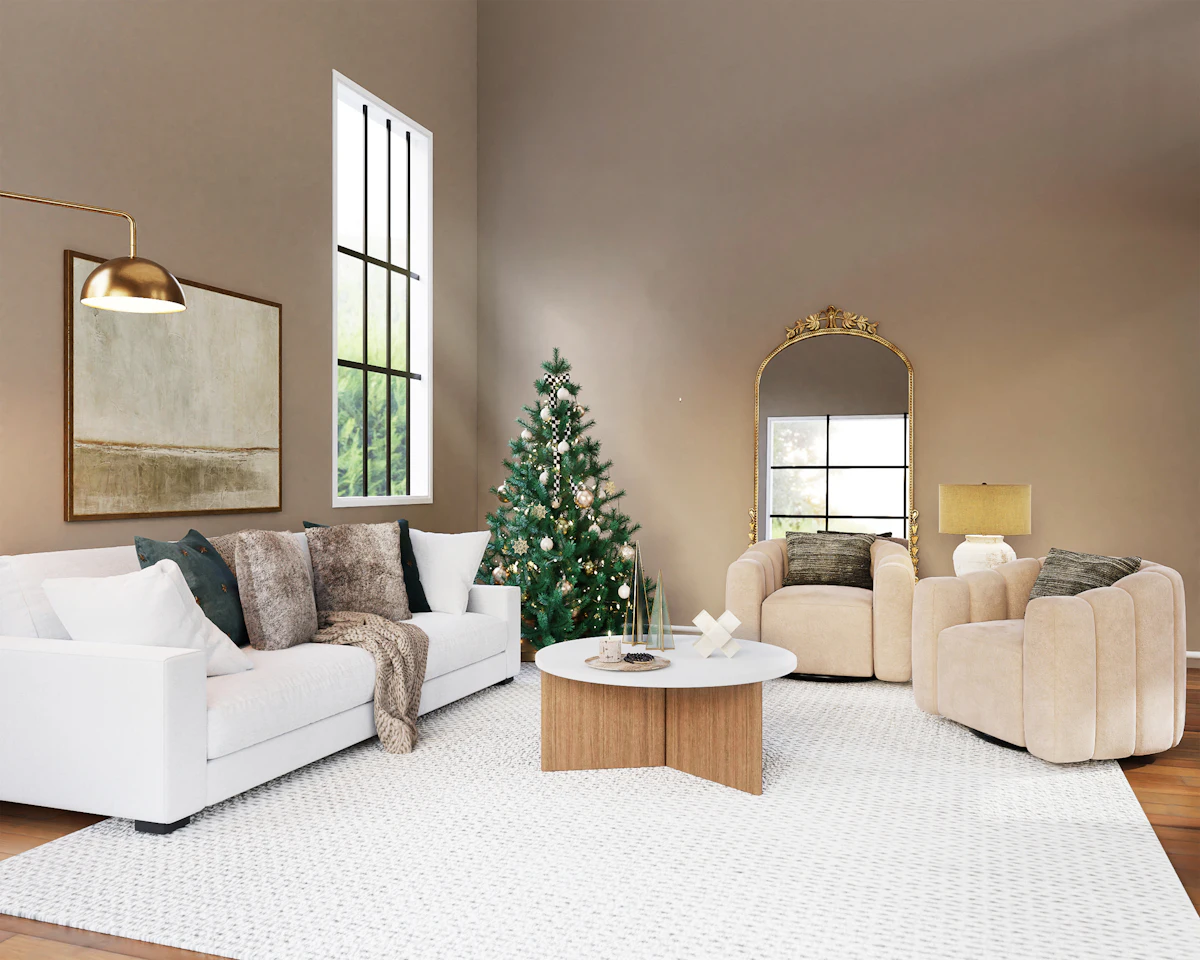
Where to put a Christmas tree in a small living room is not simply a decorating question. In an apartment, every corner has a job: a sofa needs room to open out, a TV wall has cables and equipment, and the route to the kitchen needs to stay clear. A tree may fit beautifully in a photograph but become frustrating once gifts, pets and everyday foot traffic are added.
The good news is that you do not need a large room or a completely different furniture arrangement to enjoy a Christmas tree. Sometimes moving one side table is enough. In other homes, a slim tree, a carefully chosen window nook or a tabletop alternative makes more sense than a traditional wide tree.
This guide shares 11 practical Christmas tree placement ideas for small living rooms, a five-minute measuring checklist, a comparison of tree shapes, and safety advice backed by fire-safety organizations. It is written for real family rooms, rentals and studio apartments—not just picture-perfect holiday interiors.
The quick answer: where to put a Christmas tree in a small living room
Start with a quiet, visible corner beside the sofa, then consider an open area at the end of the TV console or a suitable window-side nook. The best placement keeps exits, walkways, heating equipment and everyday furniture usable. If a full tree will squeeze the space, choose a narrower model or a small display. Never place a tree within three feet of a heat source, and always follow the lighting and tree manufacturer’s instructions.
The five-minute tree-placement test
1. Mark the paths you actually use
Walk from the entry to the sofa, kitchen, bathroom and any exterior door. These paths need to remain usable when everyone is carrying bags, serving dinner or moving in low light. A tree is never worth blocking an exit. If a location forces people to sidestep the stand or brush against branches, cross it off the list.
2. Measure the branches, not only the stand
Find the widest advertised diameter of your intended tree, including the lowest branches, and mark that footprint on the floor with painter’s tape. Leave additional space where people need to pass or sit. A narrow stand does not make a wide tree suitable for a tight alcove. Measure ceiling height with your topper in mind, too.
3. Check heat, lighting and electrical access
The National Fire Protection Association recommends keeping trees at least three feet (about one meter) from fireplaces, radiators, heat vents, heaters and other heat sources. Keep exits clear, and do not plan to run cords under rugs or across the main walkway. Choose a spot with a safe outlet arrangement that follows the lighting manufacturer’s instructions.
4. Test the room as if the tree were already there
Set a cardboard box or several chairs inside the taped circle and use your living room normally. Can you reach the TV cabinet? Open curtains? Walk around the coffee table? If you constantly have to move something, choose a different position or a smaller tree. Doing this before buying prevents expensive holiday clutter.
11 space-saving Christmas tree placement ideas for small living rooms
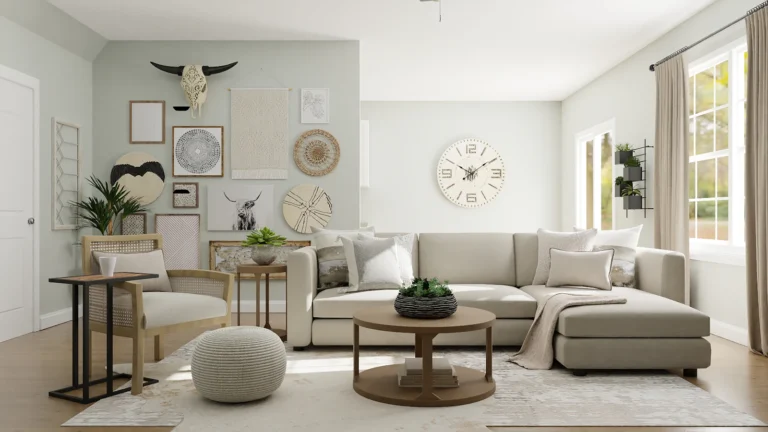
1. Use the unused corner next to the sofa
An empty corner beside the sofa is often the strongest first option because it keeps the Christmas tree close to the main gathering area without occupying the center of the room. A tree with a slim profile can create a tall festive focal point while the sofa, coffee table and TV stay in their usual positions. Choose the corner on the less-traveled side of the sofa, ideally one that is visible from the entrance as well as the seating area.
Before you commit, sit and stand up from the sofa several times. Check that the lowest branches do not hit an armrest or block the side table you use every day. Remember the tree may need extra clearance for a watering stand, a skirt or a few wrapped gifts. Move a floor lamp only if doing so will not leave an unsafe power cable or dim an important pathway.
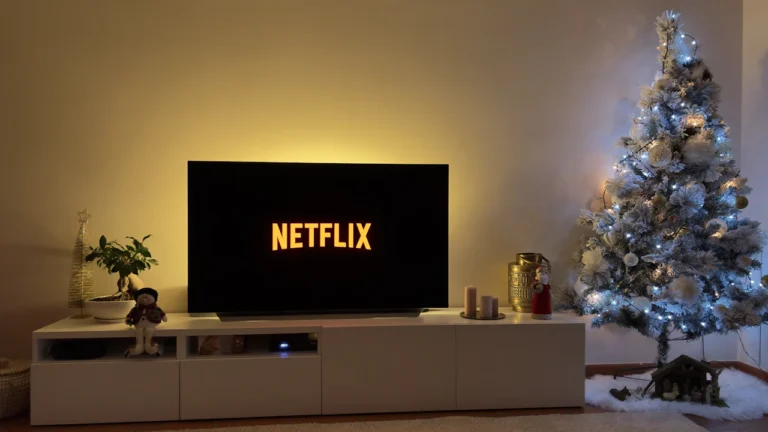
2. Place a slim tree beside the TV console
A narrow Christmas tree at one end of the media wall can look intentional in a modern apartment. The contrast between the horizontal TV unit and the vertical tree adds festive warmth without requiring a separate decorating zone. This is particularly useful when the room already has a clear TV-and-sofa arrangement, as discussed in our small living room TV and sofa layout guide.
Use a pencil-style tree if the console nearly fills the wall. Never block the television screen, remote sensor, ventilation openings or service access to electronics. Keep electrical cords organized according to product instructions and do not crowd multiple plugs into an unsuitable outlet arrangement. If the TV unit is under a heat vent, choose another spot even if the composition looks attractive.
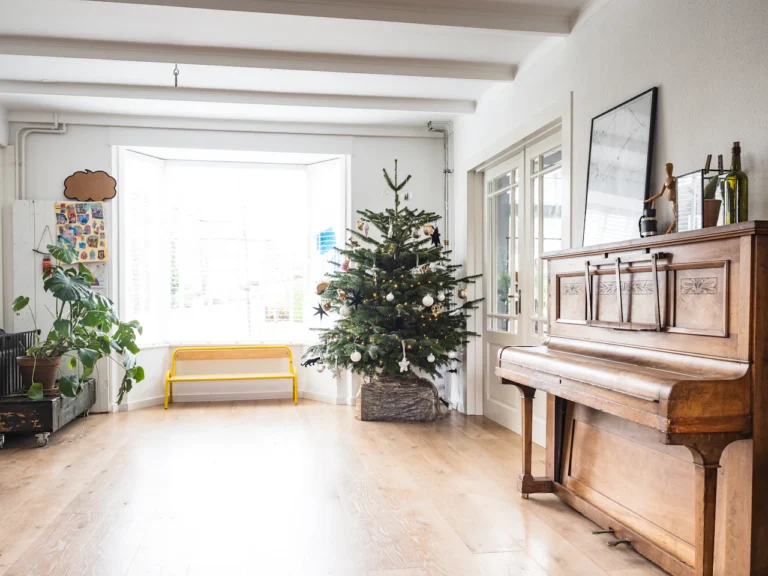
3. Take advantage of a clear window-side corner
A Christmas tree near a window can look lovely in daytime and may be visible from outside after dark. The location works best when the window is not part of an exit route and the stand will not block access to blinds, curtains or a radiator. Measure the space with the curtains fully opened and closed. Even a narrow tree can become irritating if its branches snag the fabric whenever you adjust the room’s light.
For a real tree, monitor water levels and keep it away from strong sources of heat that can dry it out. If the window area has a radiator directly below it, do not force the arrangement: follow the three-foot heat clearance guidance. A tree should support the room’s light, not consume the only bright corner. A smaller tree on a secure, appropriate surface might preserve more daylight.
4. Fit a slim tree between two windows
Some apartments have a small section of uninterrupted wall between windows or between a window and a built-in cabinet. That strip can frame a slender Christmas tree beautifully, especially when ornaments and lights are kept simple. Measure the width at both floor level and branch height; nearby sills or curtain hardware may reduce the usable space. A narrow tree can add the feeling of height without requiring much horizontal furniture rearrangement.
Do not make the mistake of wedging branches against glass, curtains or cords just because the trunk fits. Check that windows still operate if you need them for ventilation or emergency access. A simple weighted or manufacturer-approved stand matters more than a decorative basket. If the nook is too shallow for a stable tree, keep it clear rather than improvising a precarious base.
5. Swap one small piece of furniture for the season
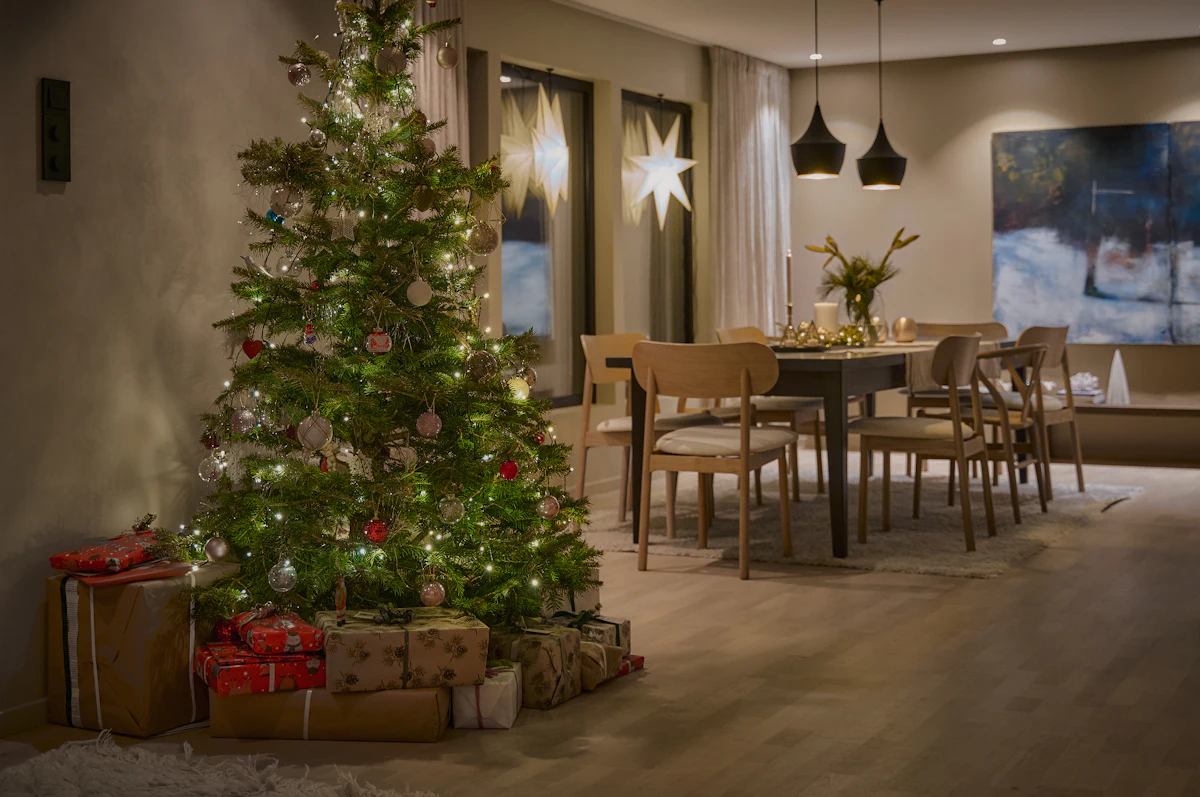
In many small homes, the most useful Christmas tree spot is currently occupied by a plant stand, unused accent chair or occasional table. Instead of squeezing everything closer, temporarily relocate one item. A tree can take over that exact footprint for a few weeks, and the rest of the room can remain comfortable. This is a more sustainable choice than purchasing a whole set of new Christmas-specific furniture or rearranging the sofa every December.
Choose something genuinely easy to store. A heavy armchair that blocks the hallway when moved is not a good trade. Measure the tree before removing the furniture, and identify where the displaced item will live. A single temporary swap keeps the holiday decor from spreading into already crowded storage spaces. After the season, put the piece back and evaluate whether the new layout was actually better.
6. Create a tree-and-reading-chair corner
If the living room includes a reading chair, you can create a pleasant seasonal vignette with a tree nearby. Place it where it can be enjoyed from the chair but will not block access to the seat or interfere with a floor lamp. A narrow tree and a simple textile throw often look better than adding a second table, stacked presents and multiple baskets in the same corner. The goal is a calm destination rather than a crowded scene.
The important limitation is heat and electrical safety. Keep the tree clear of space heaters, fireplaces and other heat sources, and do not drape tree lights onto furniture or reading lamps. If the chair sits in the room’s only clear route, leave that corner open and use another placement. Try sitting in the chair with the tree footprint marked on the floor before making a decision.
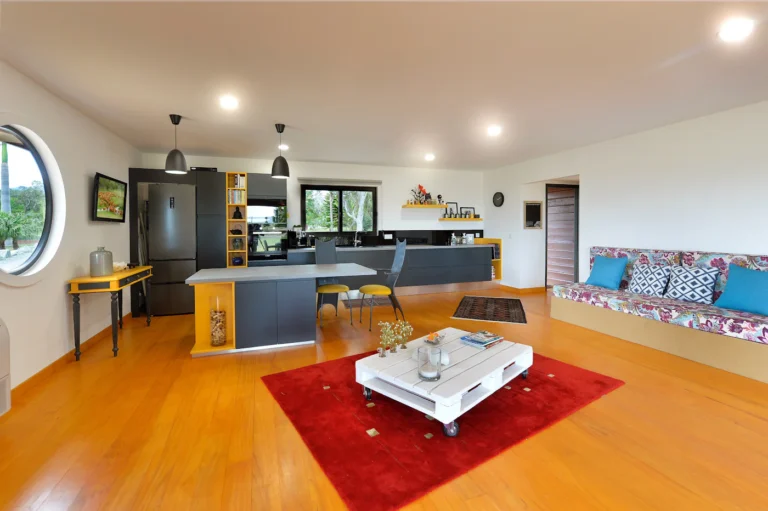
7. Mark the living-and-dining boundary without blocking it
An open-plan apartment offers an opportunity to place a tree at the edge between the living and dining zones. This can visually connect the two areas and make the entire room feel festive. Choose a location that is visible from both the sofa and the table, such as a quiet wall beside a sideboard or the end of a seating area. In a combined room, the placement often feels more deliberate than forcing a tree into the narrowest living room corner.
Keep the path between the kitchen and dining table open, particularly when people carry hot food or drinks. Consider how far dining chairs pull back and where guests will stand. A tree placed in the middle of the transition may look spectacular when nobody is home but quickly become an obstacle during dinner. Our living and dining room combo ideas can help clarify the layout.
8. Put a narrow tree beside an existing bookshelf
If a bookcase or storage cabinet already creates a natural end point along a wall, a slim Christmas tree beside it can soften that edge without adding more shelving. This works well where the cabinet is not close to a doorway and there is enough branch clearance for drawers and doors. The vertical lines of the bookshelf and tree often create a tidy, editorial look with very little additional decorating.
Avoid placing the stand where children might climb shelves to reach ornaments. Secure furniture according to its manufacturer, and keep the tree stable in a compatible stand. Use fewer ornaments on the side that faces the shelf so branches do not become trapped when you access books. Do not block cabinet ventilation or outlets. If you cannot open the cabinet without shifting the tree, it is not the right location.
9. Try a tabletop tree on a stable, secure surface
If you cannot safely accommodate a floor-standing tree, a tabletop version may be the practical winner. A smaller tree can brighten a dining sideboard or another secure, appropriately sized surface without taking up new floor area. The stand must fit fully on the furniture and remain stable under the weight of lights and decorations. A smaller tree is not a lesser Christmas display: it can become the room’s main festive feature when decorated thoughtfully.
Think carefully about children and pets before elevating a tree. An unstable table, loose cord, dangling ornament or reachable edge could create a tip-over hazard. Follow the product instructions, secure the display when necessary, and keep fragile or small decorations inaccessible to young children. Do not place a real tabletop tree above electronics or materials that could be damaged by water from its stand.

10. Choose a flat-back or half-tree against a suitable wall
Some artificial trees are designed with a relatively flat rear profile or a reduced circular footprint. Against a clear wall, this shape may preserve precious floor space while looking full from the room’s main viewing angle. It can be especially useful where a traditional round tree would project into the walking route. Check the actual assembled dimensions: a product called ‘slim’ or ‘half’ can still be too wide for an apartment.
Do not assume that resting the tree against the wall makes it stable. Follow the tree manufacturer’s assembly and stability instructions. Avoid installing homemade branches or lighting directly against wall materials that could be unsafe, and do not block a door simply to save a few inches. The branch width at the base matters as much as the total height.
11. Keep the center open with a small seasonal vignette
When every usable corner contains a doorway, heater or essential storage, the correct answer may be not to place a full-size Christmas tree in the living room at all. A smaller artificial tree, a simple wreath on a suitable surface or a tabletop arrangement can give you a strong holiday focal point without reducing the ability to move around. In a studio, a single beautiful accent may look more sophisticated than an oversized tree competing with the sofa and dining table.
Choose decor that can be installed and used safely in your particular home. Renters should avoid questionable mounting methods or attachments that could fall. Keep decorations clear of candles, heaters, electrical equipment and exits. The purpose of seasonal decorating is to make home more inviting, not harder to use. If the layout becomes cramped, scale the display back rather than compromising comfort.
How much space does a Christmas tree really need?
Before buying, measure maximum branch diameter, assembled height and the actual stand footprint. Measure from the wall to the outside of the widest branches; a narrow trunk is not a useful substitute for full width. Include your tree topper when checking the ceiling. You should also leave the circulation space your household needs beyond the taped tree outline. A tree that only fits when nobody is walking through the room is too large for that spot.
A common shopping mistake is comparing trees only by height. Two trees advertised at the same height can have very different base widths, branch shapes and stands. In a tight corner, selecting a narrower profile often matters more than shaving a few inches from the top. If your tree stand holds water, leave enough access to refill it daily without shifting furniture or knocking ornaments. Realistic measuring produces a better-looking result than trying to hide an oversized tree behind the sofa.
Real tree or artificial tree for a small apartment?
A fresh real tree brings natural fragrance, but it needs appropriate stand capacity, consistent watering, cleanup and responsible disposal. NFPA guidance recommends selecting fresh green needles and keeping the stand filled with water. Read the care instructions for the tree and stand. A tree that dries out becomes a serious fire risk, so do not keep it indoors after it has dried.
An artificial tree avoids watering and fallen needles, but you must still observe electrical and placement safety. Choose products suitable for indoor use, follow assembly directions and check wiring before using pre-lit models. Artificial does not mean fireproof. If you need to move the tree every day to use the room, a compact pre-lit model might be more convenient—but select the location first, then the product.
Decorating a compact tree without cluttering the room
In a small living room, one cohesive festive display often looks better than decorations spread across every surface. Use a restrained mix of ornament sizes and keep the heaviest or most fragile ones where they cannot fall onto children or pets. Warm white lights can look inviting, but use products rated for the intended indoor use and follow the manufacturer’s connection limits. A small collection of decorations can make a pencil tree feel complete without making branches look overloaded.
Keep the tree skirt or stand cover proportionate to the footprint; a large fabric ring can swallow the walking space you saved by choosing a slim tree. Instead of placing a mountain of presents around the stand, keep wrapping and gifts organized in a separate location until they are needed. For everyday clutter, use our small living room storage ideas to free a sideboard or cabinet before decorating.
Compare Christmas tree placements at a glance
| Place to try | Best for | Check before decorating |
|---|---|---|
| Quiet corner by sofa | Compact rooms with unused corners | Can everyone sit and walk normally? |
| Beside TV console | Living rooms with a long media wall | Electronics, heat and cable clearance |
| Near a window | Bright rooms with safe window-side space | Radiators, curtains and exit access |
| Between living and dining | Open-plan apartments | Clear route for carrying food |
| Replacing side table | Rooms that can temporarily move furniture | Where will the moved table go? |
| Tabletop or slim artificial tree | Very small apartments | Stability and age-appropriate safety |
Christmas tree safety checklist for small spaces
Compact living rooms leave less margin for mistakes, so safety must determine placement. The U.S. Fire Administration and National Fire Protection Association advise keeping trees three feet from heat sources, not blocking exits, using appropriate undamaged lights and switching off tree lights before leaving home or going to sleep. A real tree needs daily water checks. Follow the instructions supplied with each lighting set; do not use actual candles on the tree.
- Keep the tree and gifts away from exterior doors, emergency exits and frequently used walkways.
- Stay at least three feet (roughly one meter) from fireplaces, radiators, heat vents, heaters and other heat sources.
- Check that the tree is stable in its intended stand; do not balance it on unsuitable furniture.
- For a real tree, use an appropriate water-holding stand and check water daily; remove it when it becomes dry.
- Use lights appropriate for indoor use and inspect cords and connections before decorating.
- Switch tree lights off when leaving home or going to bed, as advised by NFPA and USFA.
- Keep small, sharp or breakable ornaments and cords away from young children and pets.
The U.S. Consumer Product Safety Commission also emphasizes decorating safely around young children, inspecting lights and keeping trees away from traffic and heat. Check current product recalls and follow the guidance for the particular stand, artificial tree or light set you use.
Three mistakes that make small rooms feel even smaller
Choosing a tree before measuring its widest branches
Tree height is an easy number to notice, but lower branch diameter determines whether people can pass the sofa. Measure the footprint first, and check the room with chairs pulled out and doors open.
Turning the whole floor into gift storage
Wrapped presents can spill outside an otherwise sensible tree footprint. Keep gift bags and extra wrapping supplies elsewhere, and use a small, practical area at the base so floor space stays available.
Filling every nearby surface with decorations
A Christmas tree is already a strong visual feature. Let it be the main decoration and use a few complementary touches elsewhere. If the living room also serves as the dining area, limit bulky displays near the table; see our living-dining room layout ideas for ways to keep those zones functional.
Frequently asked questions about Christmas tree placement
Where is the best place for a Christmas tree in a small living room?
An unused corner beside the sofa is often a good starting point, provided the tree does not block a door, walkway, heater or radiator. Choose the final location by measuring the widest branches and testing the room’s normal movement.
Can I put a Christmas tree next to my TV?
It may work beside a media console if the tree stays clear of the screen, electronics, ventilation openings, outlets and cables. Avoid heat sources and follow all lighting and TV safety instructions. A slim tree is usually easier to fit than a full-width one.
Is putting a Christmas tree in front of a window a good idea?
Only if it does not block an exit, curtain access, essential daylight or a heater or radiator. For a real tree, keep the stand watered and avoid sources of heat that dry it quickly. A window-side corner is often better than covering the whole window.
What size tree is best for a small apartment?
Choose by footprint first, height second. A slim or pencil-profile tree may use less floor space than a shorter, much wider model. Check the assembled branch diameter and topper height for each specific product rather than relying on its marketing label.
How do you fit a Christmas tree when there is no floor space?
Consider a smaller tabletop tree on a stable secure surface or a safely installed alternative decoration. Do not put an elevated tree on furniture that can tip or where children and pets can reach hazardous cords or fragile ornaments.
How far should a Christmas tree be from a radiator or fireplace?
NFPA and the U.S. Fire Administration recommend keeping trees at least three feet, approximately one meter, from heat sources including fireplaces, radiators, heaters and heat vents. If a space cannot meet this guidance, select a different location.
How can I decorate a Christmas tree in a rental without drilling?
A freestanding tree with a secure base needs no wall drilling. Keep lights near an appropriate outlet, avoid running cables through walking routes and follow safety and rental requirements. For alternative decor, choose products whose mounting methods are safe and approved for the surface.
When should I take down a real Christmas tree?
Remove it when it becomes dry, and do not keep a dried tree in the home or garage. Follow local recycling or collection rules. Watering daily and checking its condition can help during the period it is displayed.
Make room for Christmas without losing your living room
Deciding where to put a Christmas tree in a small living room is easier when you start with function rather than festive styling. Mark your everyday routes, check heating and outlets, measure the tree at its widest point and try the proposed footprint before buying. A beautiful tree that allows people to relax, move around and use their home safely is always a better choice than a larger tree wedged into a convenient photograph.
For more small-home inspiration, browse our living room storage ideas and renter-friendly organizing guide.