Small Living Room Seating Ideas: 17 Ways to Fit More Guests
17 small living room seating ideas to fit more guests comfortably. Explore seat-rated ottomans, folding chairs, poufs, benches, smart layouts and holiday hosting tips.
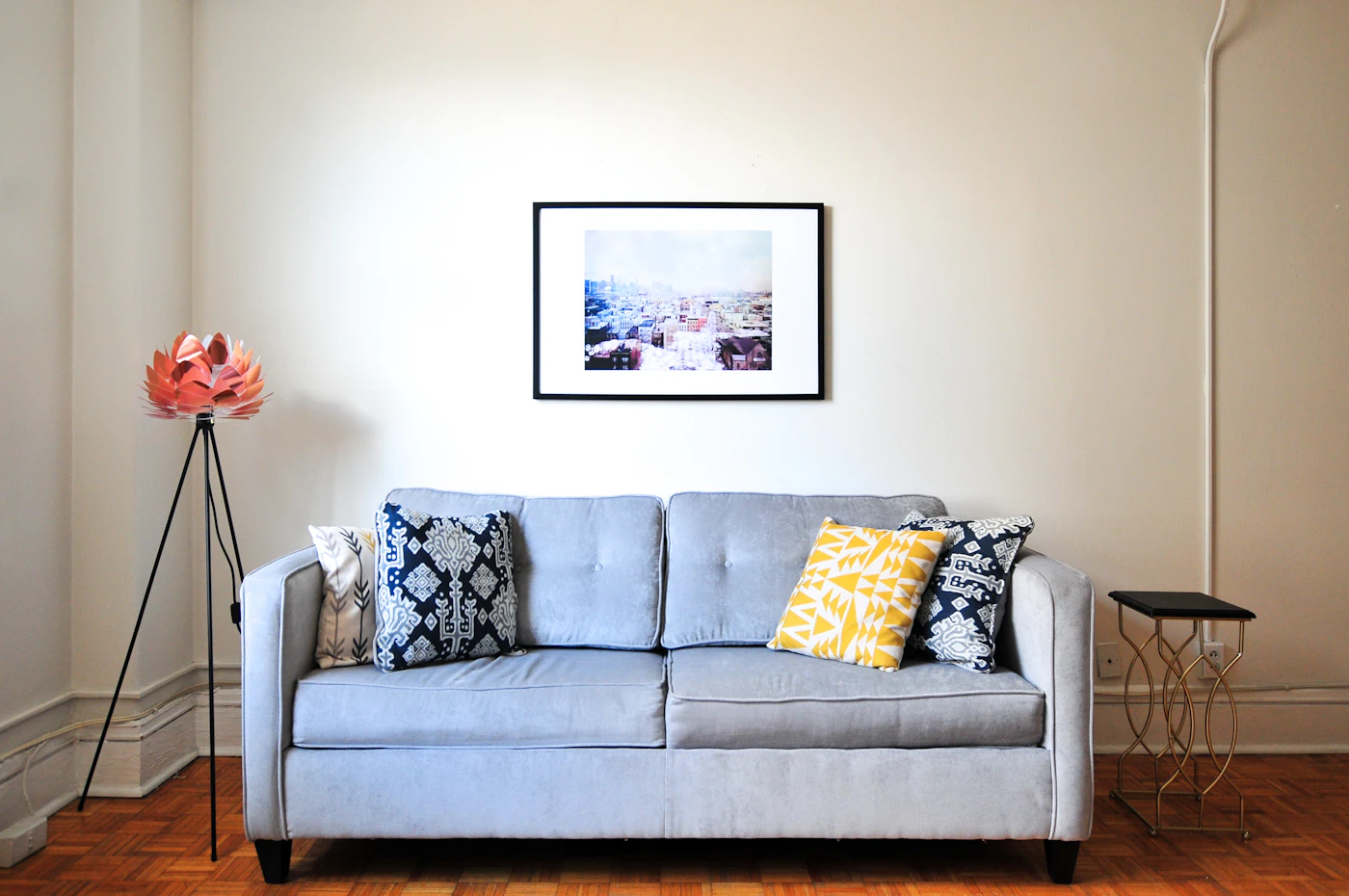
Small living room seating ideas need to solve two problems at once: finding enough comfortable places for people to sit and keeping the room easy to walk through. That balance gets harder when friends visit for dinner, relatives come over during the holidays, or everyone gathers for a movie. A small room can handle guests, but an extra chair should not turn the route to the kitchen into an obstacle course.
The solution is not automatically a bigger sofa. Multipurpose ottomans, appropriately rated benches, folding chairs, and a simple rearrangement of existing furniture can work better than permanent bulky pieces. The right answer depends on who will use the seating, how easily they can get into and out of it, and where everything lives when the guests leave.
Here are 17 practical ways to add extra seating to a small living room, including renter-friendly options and a plan for accommodating holiday visitors. You will also find a furniture comparison chart, a step-by-step room test, budget advice, and safety notes about unstable furniture and bean bags. The focus is on useful, comfortable seating rather than squeezing the highest possible number of people into the space.
Small living room seating ideas: start with the right room plan
Before shopping, sketch the real traffic path through your living room, then count the seats that are comfortable for the people you actually host. Separate everyday seating from guest-only seating: a compact sofa and an armchair may serve daily life, while two stored folding chairs come out for celebrations. Clear space is an important part of the layout, especially when guests must reach the kitchen, bathroom, or exit.
Test potential furniture with painter’s tape, including the space people occupy with knees and feet when seated. Sit down, stand up, and walk between the positions. If someone uses a wheelchair, walker, or other mobility aid, plan for their needs rather than following a generic furniture rule. The U.S. Access Board’s accessibility guidance describes clear-route dimensions for facilities covered by ADA standards; those standards are not automatically building-code requirements for every private home.
17 practical ways to add seating to a small living room
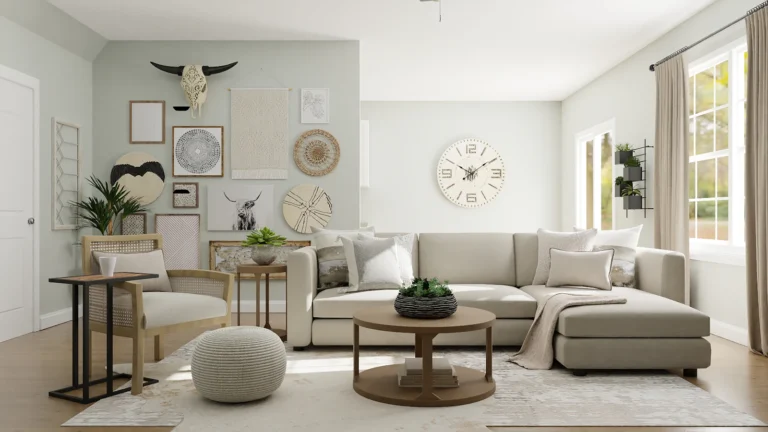
1. Replace a bulky coffee table with a seat-rated storage ottoman
A well-made storage ottoman can serve as a footrest on weekdays and an extra guest seat when friends arrive. Some also hold throws, games, or the spare cushions that usually pile up on the sofa. Measure its full footprint before buying and look for a size that does not crowd your knees when you sit. A firm, relatively flat top tends to be more versatile than a very soft, deeply tufted surface.
The important word is seat-rated. Not every decorative ottoman or storage cube is designed to carry an adult’s weight. Check the manufacturer’s load rating, lid construction, and instructions before anyone sits on it. If you normally use a tray as a coffee-table surface, remove the tray and drinks before converting it into seating. For families, check that the lid does not slam or create a risk of fingers being pinched.
2. Keep one compact armless chair for everyday use
An armless slipper chair can fit where a wide club chair or recliner would dominate the floor. Its narrower silhouette can be useful beside the sofa, near a window, or opposite a small side table. Choose one with a backrest if the chair will be used for longer conversations; a decorative low stool may be less comfortable. Consider a fabric that cleans easily if this is the seat visitors use most often.
Before ordering, measure the chair’s actual width and depth, including the leg splay. Leave room for the user to stand up without bumping the coffee table. A chair with visible legs can look lighter, but do not prioritize appearance over stability. If you regularly host older relatives, a chair with arms and an appropriate seat height may be more helpful than the most compact armless design.
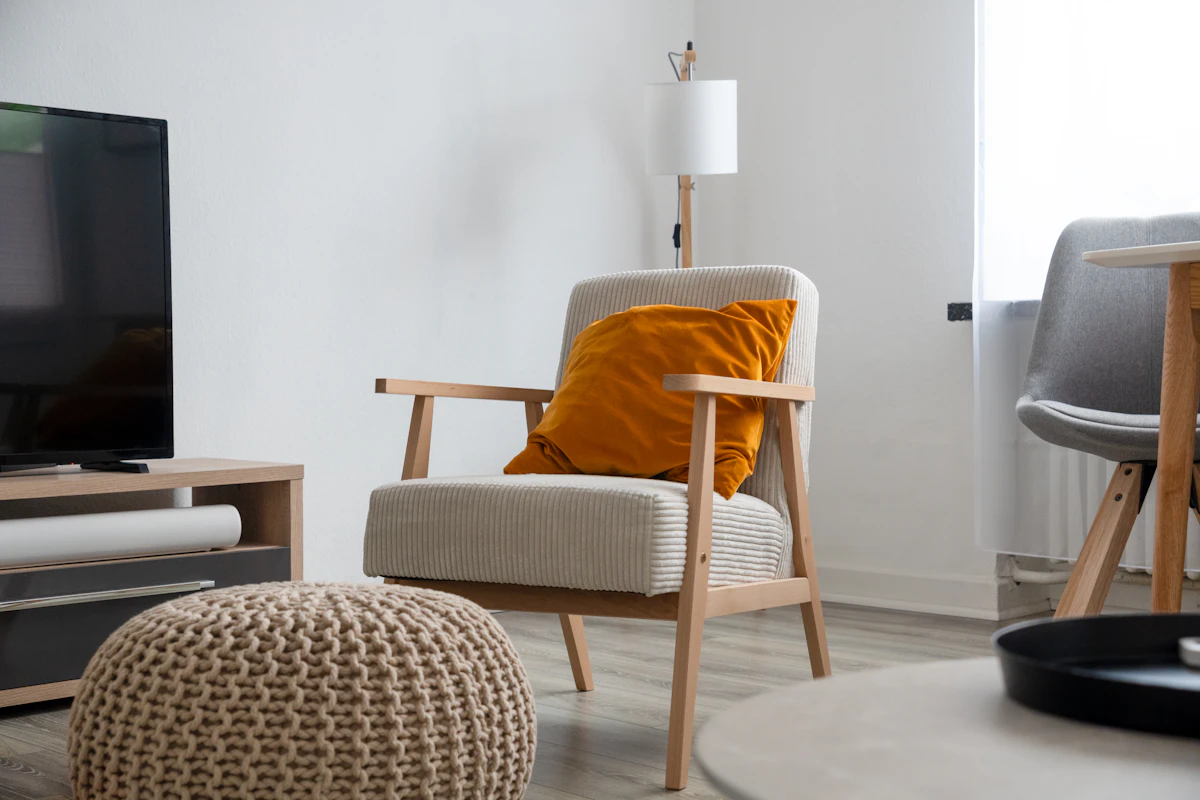
3. Choose two lightweight folding chairs for holiday guests
For households that entertain only occasionally, folding chairs can be much smarter than permanent armchairs. Store a pair in a closet and bring them out for a birthday, game night, or holiday gathering. Look for chairs intended for adult seating, with stable locking mechanisms, a reliable load rating, and a seat that remains comfortable through a meal or conversation. A padded folding chair may be worth the slightly larger storage footprint.
Check the chair’s dimensions both open and folded. Two folded chairs are not helpful if your only storage cupboard cannot close around them. When setting up, ensure each chair is fully locked according to the manufacturer’s instructions and that its legs rest evenly on the floor. Place guests around the conversation zone, rather than lining chairs in a passageway simply because there is a gap there.
4. Tuck a pair of sturdy stools beneath a console
A slim console table can sometimes accommodate two small stools underneath. When friends arrive, pull them out toward the sofa; when everyone leaves, return them to the same spot. This is a practical option for narrow living rooms with a clear wall behind the seating area. Choose stools with stable bases and appropriate seat ratings rather than assuming a decorative footstool can support a person.
Stools are best as short-term seating for people who can comfortably sit without a backrest. Keep at least one supportive chair available for guests who need it. Measure the space between the underside of the console and the floor, including any crossbars. If the stools only fit when balanced awkwardly or protrude into an entry, choose a different storage location. Nesting tables are useful for drinks, but they must never be treated as seats unless explicitly designed for sitting.
5. Use a sturdy storage bench along an unused wall
A short bench can turn a wall that is too shallow for an armchair into an occasional guest spot. Models with built-in storage can hold blankets, board games, or seasonal decor so the bench earns its floor area year-round. Bench seating may also suit a combined living and dining room because it can move toward the table when extra dinner guests arrive. A padded top makes a difference when people sit for more than a few minutes.
Select a bench specifically designed for sitting, with a clearly stated weight capacity. Check whether it needs assembly or anchoring, and follow the product instructions. Avoid storing items in a way that makes the lid unstable or difficult to open safely. A bench is not a good substitute for a chair with supportive arms for every guest, so plan a mix of seating heights and types.
6. Give a firm pouf a defined parking spot
A small firm pouf can sit beside a sofa as a footrest and become a casual seat when needed. It may work better than a full chair in a studio because it is easy to move aside when the floor needs to be clear. Choose a size that keeps the user stable rather than forcing them to perch on an overly rounded cushion. Covers that can be removed and washed are helpful in busy family rooms.
Not every pouf is intended to support body weight, and very low seating can be difficult for some adults to rise from. Check the manufacturer’s intended use and load rating. Store the pouf against a wall when it is not being used, but never in front of a doorway. One properly chosen pouf often adds more value than three tiny decorative ones that nobody actually enjoys sitting on.
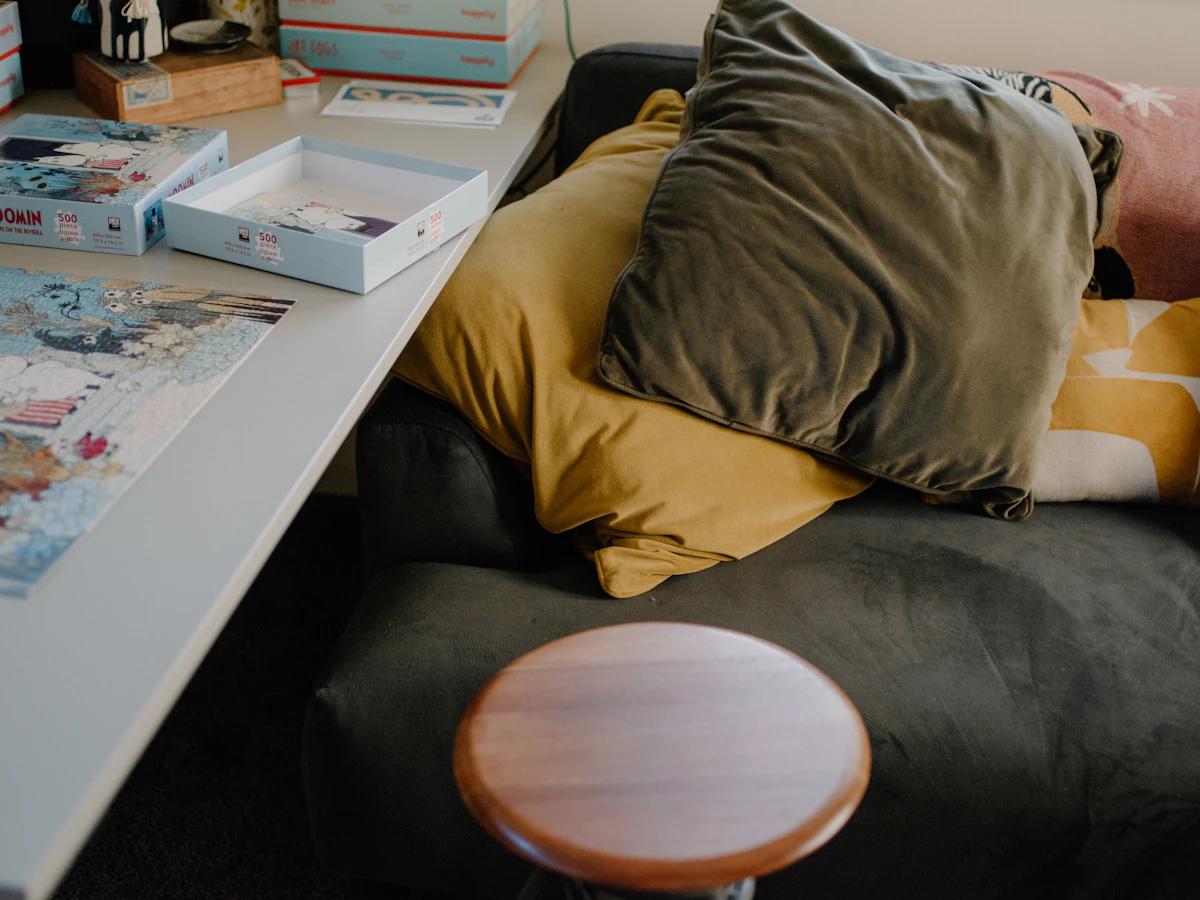
7. Offer floor cushions for guests who genuinely like them
Thick floor cushions or folding floor loungers can be useful for casual movie nights, especially when children or younger adults prefer to sit close to the coffee table. They take less permanent room than extra armchairs and can be moved into another room after the gathering. Keep them in a basket or on a shelf only if they fit without crushing other necessities. Washable, durable covers make cleanup easier.
Floor seating is an option, not an obligation. Some guests need proper back support, a higher seat, or a surface they can push against when standing up. Ask what is comfortable rather than automatically assigning people to cushions. Keep cushions away from heaters and ensure their edges do not create a tripping hazard. Floor cushions should not be used as infant sleep surfaces.
8. Consider a structured bean bag—but check the safety features
A compact structured bean bag can offer a relaxed extra seat for movie nights without looking like another full-size armchair. Choose a model that is intended for the user’s age and size, and measure its filled footprint: a bean bag often spreads wider when someone sits on it. The right upholstery can blend into a living room while still being light enough to reposition. A washable removable cover may be useful, provided the product is designed to be opened safely.
Bean bag safety deserves special attention around children. The U.S. Consumer Product Safety Commission has recalled bean bag chairs whose zippers children could open, exposing choking and suffocation hazards from the filling. Choose products with appropriate child-resistant closures, inspect seams, and check current recalls. Never let loose pellets escape. Avoid placing bean bags in front of exits, near heaters, or where a guest with limited mobility must use one as the only seat.
9. Create a small conversation circle instead of a TV-only row
A sofa facing the screen plus two chairs angled toward each other often works better for social visits than lining every seat along the same wall. Start with your sofa in its normal location. Move one lightweight chair into a corner of the rug and place another perpendicular to the sofa. People can see each other without twisting sharply, and the room still serves as a TV lounge when guests leave.
Keep the main route from the entry to the kitchen clear with chairs in their occupied position, not just pushed back. Test with a person sitting in every seat, because knees and feet need space too. If the coffee table forces everyone to squeeze sideways, move it temporarily to a safe location. A conversation-friendly arrangement should feel relaxed, not like a tightly packed waiting room.
10. Borrow dining chairs instead of buying more living-room furniture
If the living room shares space with a dining nook, the most economical guest seating may already be in the house. Move one or two dining chairs to the sofa for the evening, then return them afterward. This avoids purchasing occasional seating that spends most of the year in storage. Chairs with comfortable backs and reasonable seat heights may be especially useful for guests who do not want to sit low on a pouf.
Choose a placement where chair legs do not snag on the rug or obstruct access to the dining table. If a family meal follows the visit, make sure you can transition back without shifting everything across a crowded room. Do not borrow unstable or damaged chairs. Our living and dining room combo guide explains how to keep the two areas connected without blocking passageways.
11. Use an existing window bench if it is built for seating
A well-designed window bench can create a favorite reading spot and a welcoming additional seat for guests. If your home already has one, add a thin appropriate seat cushion and keep the windows accessible. During gatherings it can form one side of a loose conversation arrangement without requiring a new piece of furniture in the center of the room. Under-bench storage can also reduce clutter if the design safely permits it.
Do not assume a decorative sill, radiator cover, or narrow shelf is safe to sit on. Only use a structure designed and rated for seating, and consult a qualified professional if you are considering a built-in modification. Do not block window openings needed for emergency escape. In a rental, a freestanding bench may be a simpler alternative, but it must still meet the same stability and load requirements.
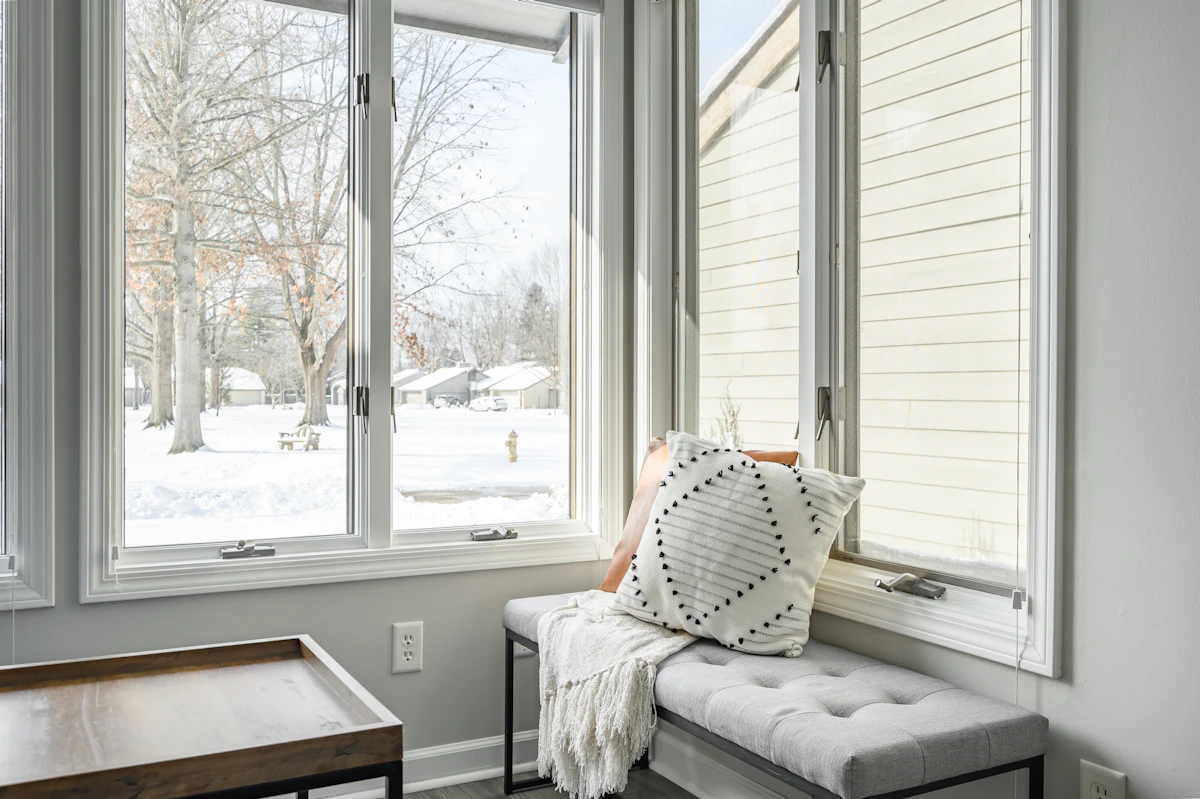
12. Make a reading chair earn its place at gatherings
A compact reading chair near a lamp can serve two roles: quiet everyday use and a comfortable guest seat. Position it so it can rotate or move slightly toward the main sofa when friends visit. If your room has a large window or an awkward alcove, this chair may make better use of the available floor area than another side table. A small movable table nearby gives readers and visitors somewhere to rest a drink.
Before selecting the chair, ask whether the seat depth, support, and arms suit the people who will use it. A sculptural chair that is lovely to look at but uncomfortable after ten minutes is not particularly helpful. Choose a position that does not trap anyone behind the sofa or block curtains. If a reading corner remains unused, rearranging what you already own may be more beneficial than buying a new chair.
13. Choose a compact swivel chair to connect conversation zones
A swivel chair can turn from the television toward the sofa without being dragged across the floor. This makes it useful in an awkward room where a rigid accent chair cannot face every activity. It may also work well in an open-plan apartment when the seating area sits beside the dining zone. Choose a footprint suitable for the room, with a stable base and an appropriate weight rating.
Swivel chairs need space to rotate safely. Test the clearance around their full movement, not just the front-facing position. A chair that strikes the table, bookshelf or a passing person’s knees is not solving your layout. Make sure young children cannot pinch fingers in a moving mechanism and that the seat does not encourage climbing on nearby furniture.
14. Trade an oversized sectional for a sofa plus flexible chair
Not every sectional is bad for a small room, but an oversized chaise can block the very route that guests need to use. If you are replacing old furniture, compare a compact two- or three-seat sofa plus one flexible chair with the dimensions of a sectional. The separate pieces can move around during gatherings and may fit a future apartment more easily. A reversible-chaise sectional is another possible compromise when the layout suits it.
This idea does not require an immediate purchase. Outline your current sofa and potential alternatives with painter’s tape, then walk through the space with a coffee table and guests in mind. You may discover that removing one bulky accent table creates more usable seating room than replacing the sofa. Also check delivery measurements before buying any large piece. Our TV and sofa layout guide has additional narrow-room arrangements.
15. Use a firm sofa bench cushion to make existing seats feel flexible
Some sofas have segmented cushions that naturally encourage one person per cushion. If your sofa is compatible, a properly fitted single bench cushion or a tidy seat topper may make the seating feel less divided during a family movie night. The goal is not to promise an extra person can squeeze onto a sofa beyond its rating; it is to create a more continuous comfortable surface for the number of users the sofa was designed to seat.
Before changing the upholstery, check the sofa maker’s instructions and dimensions. A mismatched topper that slides can be uncomfortable or unsafe. Never exceed the manufacturer’s stated seating capacity or load limit. For holiday guests, count only the comfortable places that the sofa genuinely provides, then add a properly rated chair or stool if needed.
16. Swap the big coffee table for movable nesting tables
A large coffee table often consumes the area where a guest chair could stand. Moving it aside and using two smaller nesting side tables can make the central rug available for a pair of temporary chairs. Nesting tables are useful for mugs and snacks, and they return to a compact arrangement after everyone leaves. A small round table can also be easier to pass than a deep rectangle in an especially narrow lounge.
Tables are not seats unless explicitly designed and rated as such. Their main role is to support the seating layout by keeping drinks close without blocking knees or the pathway. If you use an ottoman as a coffee-table replacement, clear its tray before anyone sits down. Avoid building a furniture maze with too many little tables; one or two thoughtfully positioned surfaces is enough.
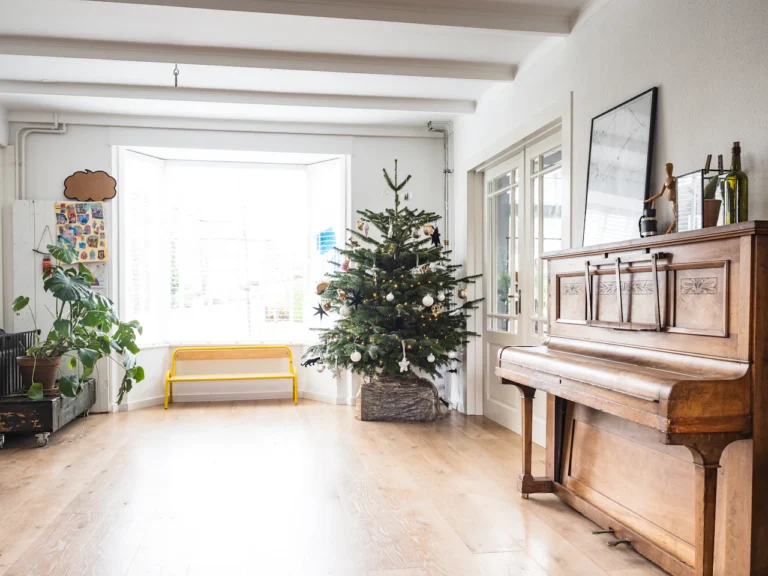
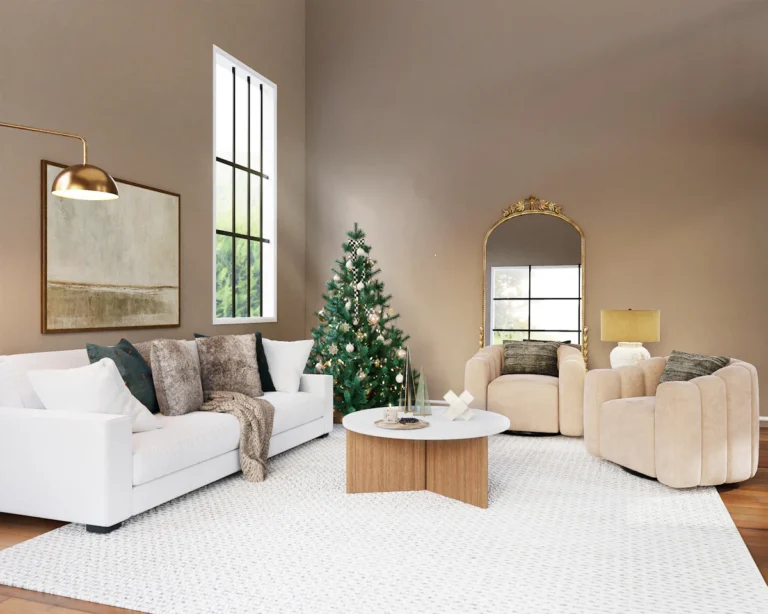
17. Plan seasonal guest seating before the Christmas tree goes up
During November and December, the very corner normally used for a spare chair may suddenly hold a Christmas tree and gifts. Before decorating, count your practical guest seats and mark the main walking routes with the tree in place. If a holiday gathering needs two extra chairs, store them folded until visitors arrive and move unnecessary floor baskets or accent tables away temporarily. This keeps the room from feeling crowded all season.
Do not solve a seating shortage by positioning chairs in front of exit doors or pushing a Christmas tree toward a heater. The U.S. Fire Administration advises keeping Christmas trees at least three feet away from heat sources and clear of exits. Our small living room Christmas tree placement guide can help you protect that extra seating zone.
Which extra seating is best for your small living room?
The furniture that works for a movie night is not always the right option for a long dinner with visiting relatives. Rather than choosing by appearance alone, compare the seating height, back support, storage footprint and whether the item is genuinely intended for sitting. The following table is a starting point; actual weight ratings and dimensions always depend on the product.
| Option | Best situation | Storage or everyday job | Before you buy |
|---|---|---|---|
| Storage ottoman | One occasional adult guest | Footrest, blanket or game storage | Check lid design and seat rating |
| Compact accent chair | Frequent visits | Daily reading or conversation chair | Seat height, stability, depth, arms |
| Folding chair | Occasional groups | Stores in closet between visits | Locking mechanism, dimensions, load |
| Short storage bench | Empty wall or open-plan lounge | Blanket storage and flexible seating | Bench-rated capacity and stable base |
| Firm pouf | Informal short visits | Footrest in ordinary use | Rated for sitting; low seat may not suit everyone |
| Floor cushion | Movie nights with willing users | Stores flat or folded | Easy to rise from; keep routes clear |
| Structured bean bag | Casual adult lounging | Move between rooms | Safe child-resistant zipper and seams |
| Built-in window seat | Homes with suitable architecture | Reading nook and optional storage | Professionally suitable seating support |
How to seat four to six people without crowding the room
If two or three people live in the apartment
Begin with the seats your sofa already provides. For a casual gathering of four, one well-positioned supportive accent chair may be enough. Move an oversized coffee table aside temporarily if doing so gives the extra chair adequate clearance. Keep one small table within easy reach of the group. Do not count armrests, tables or decorative cubes as extra places to sit; only include furniture designed for seating.
If you regularly host five or six guests
Think of seating as a flexible combination rather than a permanent six-person layout. Use the sofa and a comfortable armchair as anchors, borrow an appropriate dining chair or two, and add folding chairs if the room permits. The total number of guests you can accommodate comfortably depends on the actual furniture ratings, room size and their accessibility needs, not on a universal formula. Do not squeeze a fifth chair into the main escape route simply to reach a target count.
If the gathering is a holiday meal or game night
Plan where drinks and snacks will go before everyone sits down. A pair of movable nesting tables can work better than a large central table when chairs surround the rug. Make one clear lane to the dining area and bathroom, keep wrapping paper and gifts out of that lane, and leave space for guests to pull chairs back when they stand. In a combined room, our living-and-dining layout ideas explain how to avoid blocking the route to the table.
Five-minute measuring checklist before purchasing a chair
- Overall width and depth: include arms, legs and the space a person occupies when seated.
- Accessible path: ensure the route from the entry to the sofa, bathroom and kitchen remains practical for your household.
- Seat height and support: think about the needs of elderly guests or anyone who finds low seating difficult.
- Product rating: confirm the item is specifically designed for sitting and check its published load limit.
- Storage dimensions: measure folding chairs both open and folded, plus the closet they need to fit.
- Surface and floor: make sure the legs are stable, do not slide dangerously and will not damage the floor.
- Usual room function: can you use the TV, curtains, storage cabinets, and coffee table after the chair is added?
The safest seating arrangement is also one that feels welcoming: guests should not have to climb across a footstool to reach a chair. If the room fails these tests, try moving or replacing one unnecessary table before purchasing another seat. Our small living room storage guide offers ways to relocate clutter that is occupying potential seating space.
Safety considerations when adding extra seating
Avoid balancing people on furniture that was not designed for sitting. Check the manufacturer’s ratings for ottomans, benches, stools and folding chairs. A storage chest with a heavy unsecured lid may present additional risks, especially for children. A seat near a fireplace, radiator or electric heater also needs appropriate clearance; do not treat a hearth, radiator cover or narrow sill as a bench unless the installation is explicitly designed and approved for seating.
The Consumer Product Safety Commission recommends anchoring furniture and televisions to prevent tip-over injuries, storing heavy objects low, and avoiding tempting objects on climbable surfaces. Moving extra chairs beside tall cabinets does not eliminate the need for anchoring. Children may try to climb furniture when a crowded room makes it harder to reach a favorite item.
For bean bags, pay special attention to child-resistant zippers and intact seams. The CPSC bean bag recall documents serious suffocation and choking hazards when young children can open bean bag chairs and access foam filling. Inspect any secondhand item and check current recalls. Bean bags and floor cushions are not substitutes for safe infant sleep surfaces, and they should not be the only seating available for guests who need supportive chairs.
Common mistakes that steal seating space
Buying a full-size second sofa for occasional guests
A loveseat may fit some rooms, but a second sofa often blocks circulation for most of the year. Consider whether your actual routine requires it or whether two stored folding chairs would work better. Avoid filling the room permanently for the few times you host a bigger group.
Counting every low stool as a comfortable adult seat
Low, backless options have their place, but they may be difficult for older guests, people with joint limitations or anyone sitting for a long movie. Provide at least one suitable seat with back support, stable arms where needed, and a manageable height. Comfort is more important than maximizing chair count.
Forgetting holiday decorations take up floor area
A Christmas tree, wrapped presents or an additional basket may occupy the corner where you normally keep an extra chair. Decide where seasonal objects and stored furniture will live before the gathering. Never sacrifice a required clear exit route or a heater clearance to fit another guest.
Choosing tables that cannot move
Heavy coffee tables and oversized side tables can prevent extra seating from reaching the conversation circle. Smaller nesting tables or a movable tray can preserve convenient surfaces without dominating the room. But remember that ordinary nesting tables are not chairs.
Frequently asked questions about small living room seating
How can I add extra seating to a small living room without buying a sofa?
Try one seat-rated storage ottoman, a compact accent chair, two folding chairs, or existing dining chairs moved in temporarily. Choose according to your floor space and the comfort needs of your guests.
What is the best seating for a very narrow living room?
A compact chair with a shallow footprint, a rated short bench along a clear wall or a folding chair used only during gatherings may work. Measure traffic routes with people actually sitting in the chairs.
Can a storage ottoman be used as a seat?
Only when the manufacturer states it is intended and rated for sitting. Decorative ottomans, tables and storage boxes are not automatically safe seating. Remove trays and loose items before use.
Are bean bags safe for a family living room?
Safety depends on the product and users. Check age suitability, child-resistant closures, intact fabric and current recalls; keep bean bag filling inaccessible to children. Very low bean bags may not suit guests with mobility limitations.
How do you seat guests for Christmas in a small apartment?
Use your usual sofa and one supportive chair as anchors, bring out suitable folding or dining chairs, and move an unnecessary table away. Keep the tree safely clear of heaters and exits, with enough room for guests to get up.
Do floor cushions count as extra seating?
They are optional casual seats for people who can use them comfortably. Offer a stable, supportive chair for anyone who does not want to sit on the floor; keep floor cushions away from walkways and heat.
Is a sectional or sofa and two chairs better for a small space?
Either can work. A sectional may fit a corner efficiently, while a compact sofa and movable chairs often adapt more easily to changing gatherings. Tape the full furniture footprints onto the floor and check access.
How do I create a conversation area without a big coffee table?
Arrange chairs in a loose L or U around the sofa and use one or two small movable side tables for drinks. This preserves more central floor space and keeps guests facing each other.
A more welcoming living room starts with less furniture, not more
The strongest small living room seating ideas make room for real people without taking away the everyday comforts of home. Keep a supportive core of regular seating, add guest chairs that fold or serve more than one purpose, and move bulky tables only when the extra floor space will truly help. As holiday visits get closer, test the whole arrangement with seasonal decor in place, not just an empty room. You can welcome guests warmly without filling every open corner with furniture.
Continue exploring small living room layouts with a TV and sofa, living room storage ideas and holiday tree placement in compact rooms for a complete guest-ready space.
Photo credits: Naomi Hébert (featured image), eskoala, Annie Spratt and Cole Ankney / Unsplash. Photography illustrates layout possibilities, not manufacturers’ seating ratings; always check the actual products used in your home.